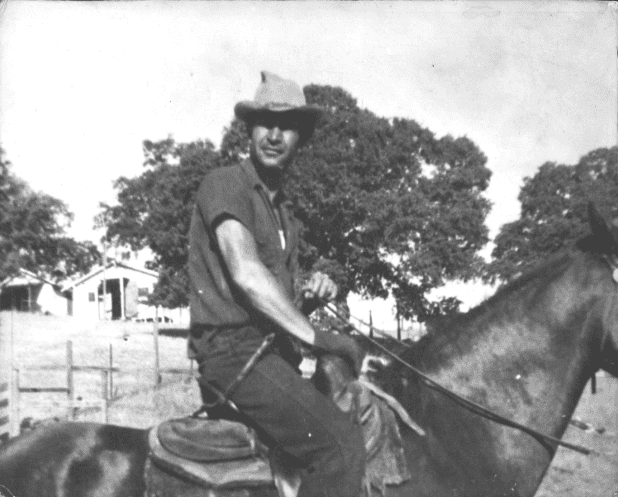
What inspired Chris Brubeck to write Rhythms of the Range? The answer begins with his father, legendary jazz composer and musician Dave Brubeck, and a chapter of his life that may surprise you: his years as a young cowboy.
Ahead of the Texas premiere with the Wichita Falls Symphony Orchestra on November 14 at the Rhapsody in Blue concert, Chris shares a glimpse into the story, memories, and musical ideas behind this new work:
I’ve had the pleasure of performing with the Wichita Falls Symphony Orchestra in the past and it is great to be returning as a composer. I have also collaborated with Fouad Fakhouri several times over the years. Among the highlights, he conducted my composition “Quiet Heroes,” a large, complex work that featured veteran actor and patriot Wilford Brimley delivering extensive narration intertwining with the orchestra. He told the fascinating story of The Flagraisers of Iowa Jima. Maestro Fakhouri handled that complicated task with expert hands and now I’m so excited that he will be conducting a brand new piece of mine with another veteran narrator….my father.
I spent many hours listening to interviews that my Dad had given over the years. The audience will hear him talk about his remarkable life and completely unique background; evolving from a cowboy to one of the most original and recognizable jazz artists in the world. Many of his innovative musical ideas germinated while riding his horse for endless hours over the brown hills of Northern California on a 45,000 acre ranch managed by his father, my Grandpa Pete. “Rhythms of the Range” is a brand new piece, breaking new ground as it tells the story an American cultural icon who happened to be my father and frequent collaborator. Although he left this earth in 2012, I felt his immense presence in every note and every word. Amazingly I was working, at age 74, with the musical ideas written by my dad’s 26 year old mind some 80 years ago. The process of creating this piece has been fascinating musically, historically, psychologically and spiritually as well.
Even though I always mention it from the stage while playing bass at hundreds of jazz concerts, I don’t think people really understand that when I say “my father started out as a cowboy,” I REALLY mean just that. What a remarkable arc of life to go from being a young cowboy to an internationally acclaimed jazz artist and composer, a champion of civil rights, and a cultural ambassador to the world on behalf of America. He performed for and was honored by many Presidents, Kings and Queens. As the saying goes “You can’t make this up!”
My father’s voice as an older man tells the story of how during those hardworking days in the 1930s, he spent endless hours in the saddle riding the range. These lonely, sunbaked times inspired my dad to rely on his abundant imagination to dream-up overlaying counter-rhythms to fight off the boredom of his horse’s steady 4/4 gait. Beyond anything he could have imagined at the time, Dave the cowboy would have his life changed by a new mentor from France, renown composer Darius Milhaud, a refugee from Nazi occupied Paris who fled to California. I listened to hours of Dad’s taped interviews and discovered the incredible importance of Milhaud. His sage advice about music, listening, absorbing ideas from around the world and making trailblazing career path choices totally altered the direction of my father’s life.
To think it all started back in the early 1930’s as a young cowboy day-dreamed about music that was yet to come.