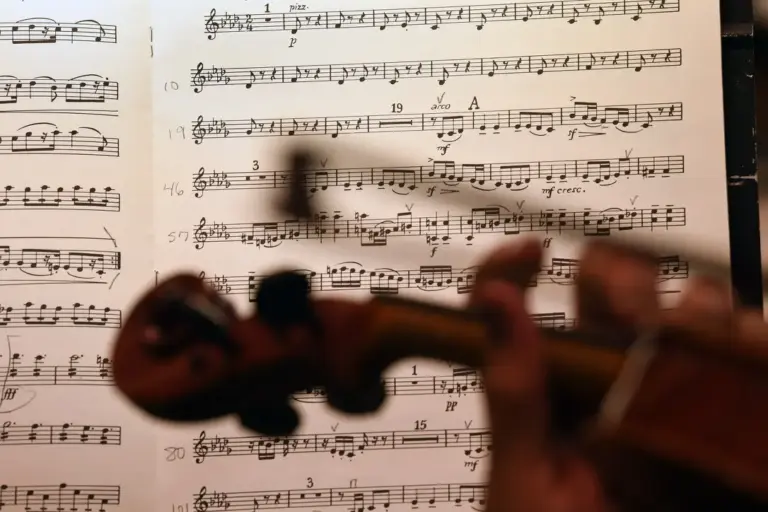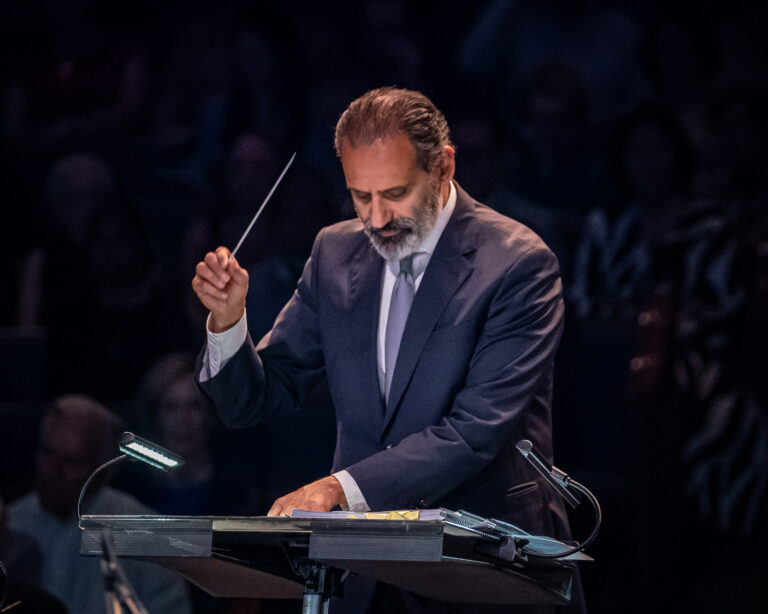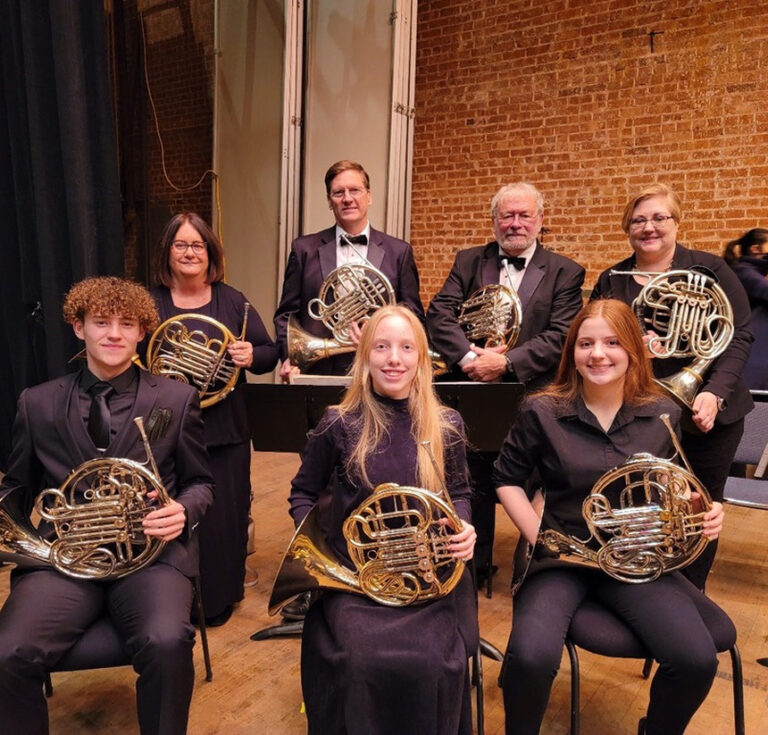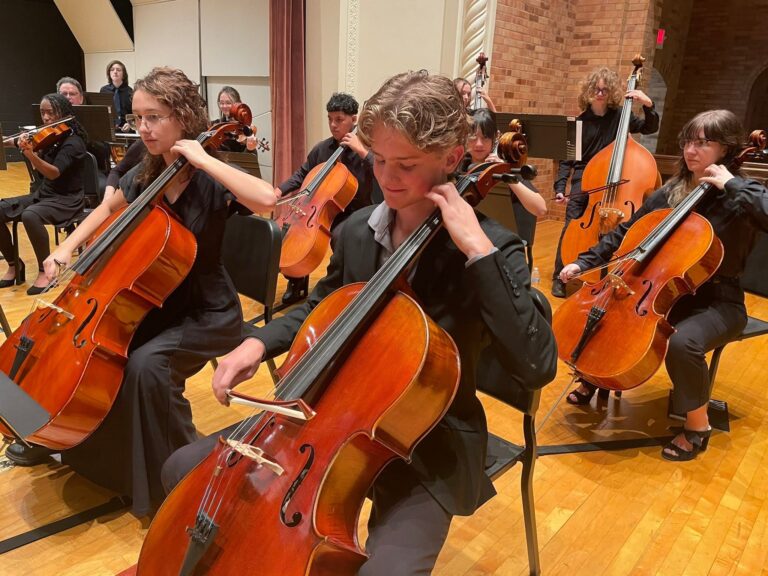
Music education is about much more than learning solfège or how to play an instrument.
It teaches children how to listen, collaborate, persevere, solve problems, and express themselves creatively. While not every student will become a professional musician, every student can benefit from the life skills music education helps develop.
Perhaps most importantly, music demonstrates that meaningful progress takes time. Working through challenges builds resilience and a willingness to keep trying. While not every student will become a professional musician, these life lessons extend far beyond the rehearsal room, shaping confident, capable individuals for years to come.
For generations, music has been part of a well-rounded education. Today, research continues to show why it remains an important investment in children, families, schools, and communities.
More Than Learning an Instrument
For generations, music has been part of a well-rounded education. Today, research continues to show why it remains an important investment in children, families, schools, and communities.
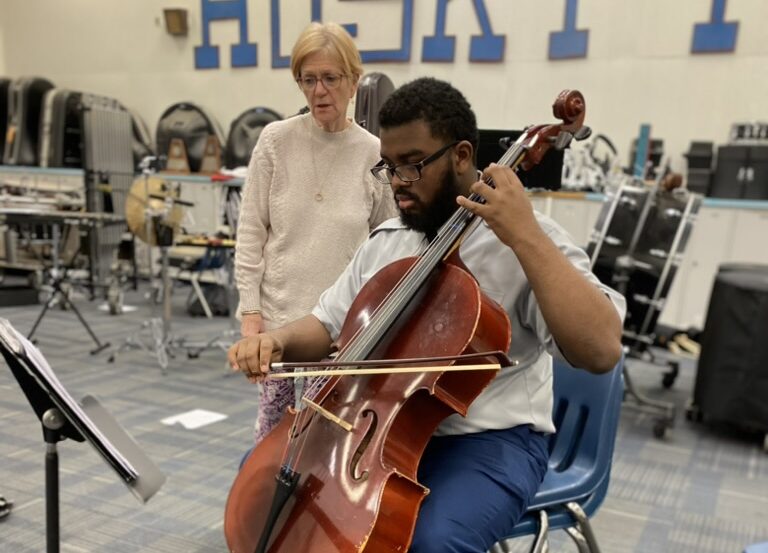
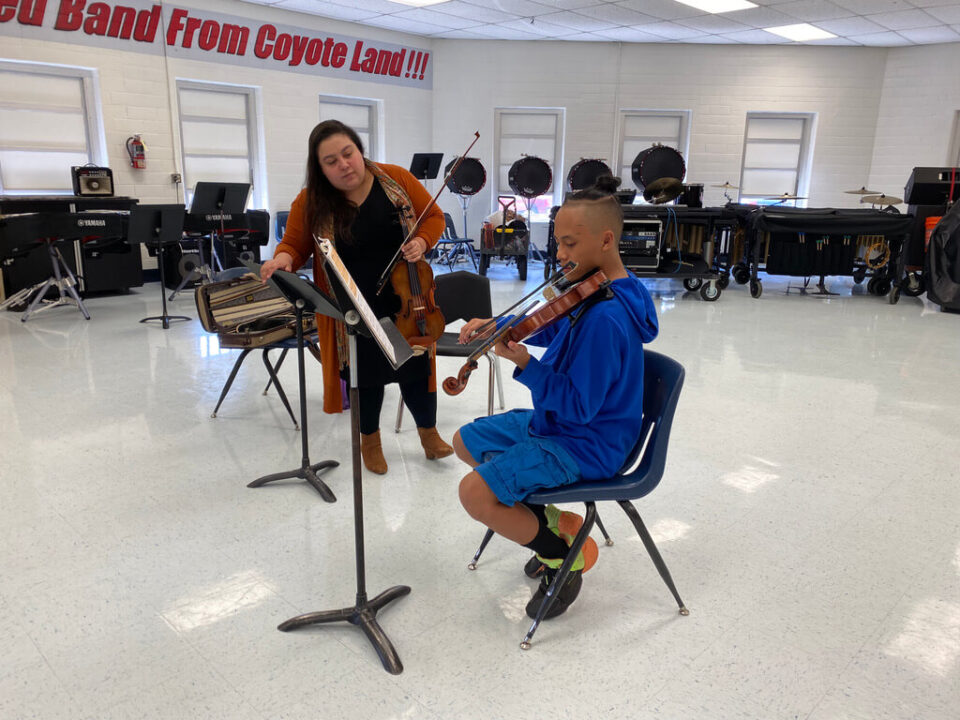
Whether a student is mastering their first notes on the violin, keeping a steady rhythm on the snare drum, or singing with a choir, every lesson teaches something beyond the music itself.
Music Builds Skills That Last a Lifetime
Music challenges both the mind and the heart.
Through regular participation in any form of music, students learn to:
- Set goals and work toward them.
- Practice patience and perseverance.
- Pay attention to detail.
- Solve problems creatively.
- Listen carefully to others.
- Work both independently and as a team.
- Manage setbacks and keep improving.
- Perform with confidence.
These are skills that benefit students in school, future careers, and everyday life.
Learning to Listen
Listening is one of the first, and most valuable skills music teaches. Musicians constantly listen to pitch, rhythm, balance, and to one another. They learn to adjust, respond, and communicate without words.
Those habits carry into classrooms, workplaces, friendships, and families.
In a world filled with distractions, learning how to truly listen is a remarkable gift.
Confidence Grows One Performance at a Time
Standing in front of an audience can feel intimidating, but every performance, whether in the classroom, on the concert stage, or in a solo recital, is an opportunity to grow. Each experience teaches students how to prepare thoroughly and reflect constructively on their performance. Setting realistic, achievable goals is an important part of the learning process.
Remember: Performance nerves are a natural part of making music. The goal isn’t to never be nervous, but rather, learn how to manage nerves with confidence. Each performance experience helps develop the skills to channel nervous energy into focus and expression, whether on a stage or in the classroom.
Many young musicians discover that the confidence they develop on stage extends far beyond music. The poise, resilience, and self-assurance gained through performing often carry into classroom presentations, job interviews, leadership roles, and everyday interactions, equipping students with skills that benefit them throughout their lives.
Music Teaches Teamwork
An orchestra is one of the best examples of collaboration. Every musician has a unique part to play, but no one performs alone.
Students in musical groups learn to:
- Listen as carefully as they play or sing.
- Support the people around them.
- Prepare and study independently.
- Celebrate the success of an entire ensemble.
They discover that great performances happen when everyone contributes.
What the Research Says
Research continues to find positive connections between sustained participation in music education and student development, according to research from the National Endowment for the Arts, National Association for Music Education, and the Arts Education Partnership
Studies have associated music education with:
- Stronger focus and positive approaches to learning. (NEA, 2025)
- Increased self-discipline and persistence. (NAFME, 2020)
- Greater confidence and self-expression. (Psychology of Music Journal, 2024)
- Enhanced collaboration and teamwork. (Social Sciences and Humanities Open Journal, 2023)
- Improved mental and emotional well-being. (Journal of Happiness Studies, 2026)
- Increased social connectedness. (Arts Education Policy Review, 2023)
Researchers also note that these outcomes are influenced by many factors, including supportive families, quality instruction, and access to educational opportunities. Music isn’t a shortcut to academic success, but it provides meaningful opportunities for students to develop habits that support lifelong learning.ents to develop habits that support lifelong learning.
Live Music Inspires Future Musicians
Many professional musicians can trace their passion back to a single live performance. Watching an orchestra perform allows students to experience music in a completely different way than listening through headphones or speakers.
Even students who never choose to play an instrument often leave with a deeper appreciation for the arts and a new sense of curiosity.
The WFSO Supports Music Education in Texoma
The Wichita Falls Symphony Orchestra believes every child deserves the opportunity to experience the power of live music. Through educational outreach, our annual Young People’s Concert, and family programming, the WFSO introduces thousands of students across Texoma to the excitement of of live symphonic music each year.
These experiences help students in our community connect classroom learning with real-world artistry while inspiring the next generation of musicians, teachers, volunteers, and lifelong concertgoers.
Keep the Music Going at Home
The love of music begins at home.
Whether it’s listening to music together, exploring different instruments, attending live performances, or encouraging creative play, small moments can inspire a lifelong appreciation for music. Keep the curiosity going with simple activities, listening, and musical exploration that the whole family can enjoy.
Explore our At Home Resources.
Continue the Journey
Music education doesn’t end with one lesson in the classroom or one live concert.
It grows through curiosity, encouragement, and opportunities to experience music in new ways.
Whether your family explores the activities in our resources, attends a Young People’s Concert, or enjoys an evening at the symphony together, every musical experience helps build confidence, creativity, and connection.
Experience the orchestra together! WFSO offers $10 student tickets, making it easy and affordable for young people to discover the excitement of live symphonic music. We hope you’ll join us at one of our upcoming concerts.
Frequently Asked Questions
Does learning an instrument make children smarter?
Music education has been associated with improved attention, listening skills, self-discipline, and social-emotional development. Academic success depends on many factors, but music can play an important role in helping students develop habits that support learning.
What is the best age to start learning an instrument?
Many children begin formal lessons between ages 6 and 8, although every child develops differently. The best time to start is when they’re curious, interested, and excited to learn.
Does my child need natural musical talent?
No. Like reading, sports, or learning another language, music is a skill that develops through encouragement, practice, and patience.
Why should children attend a live symphony concert?
Live performances allow students to experience the sound, teamwork, and emotion of a full orchestra in a way recordings simply can’t recreate. For many children, it’s the moment music truly comes alive.
How can I encourage my child’s interest in music?
Listen to music together, attend live performances, sing at home, explore different instruments, and make music a joyful part of everyday life. Curiosity is the best place to begin.