If you’ve ever wondered whether an orchestra is different from a symphony, or why some organizations are called philharmonics while others are called symphonies, you’re not alone.
These terms are often used interchangeably, but they don’t all mean the same thing. Here’s a simple guide to help make sense of them.
What Is an Orchestra?
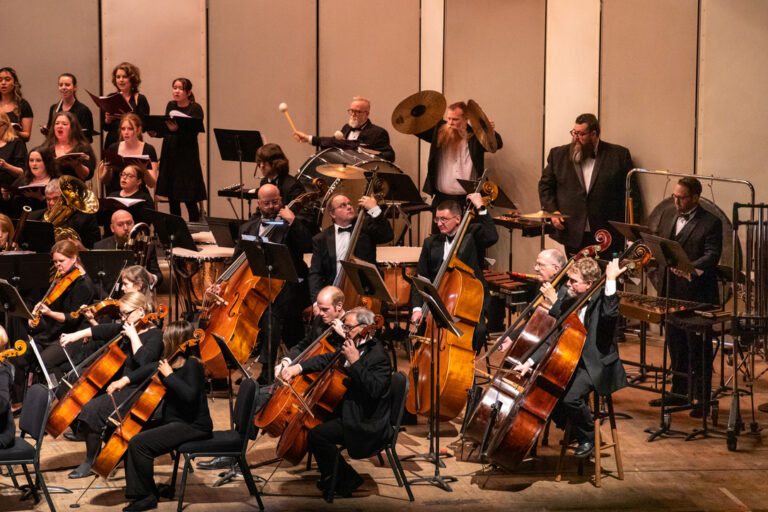
An orchestra is a group of musicians who perform together using instruments from four main families:
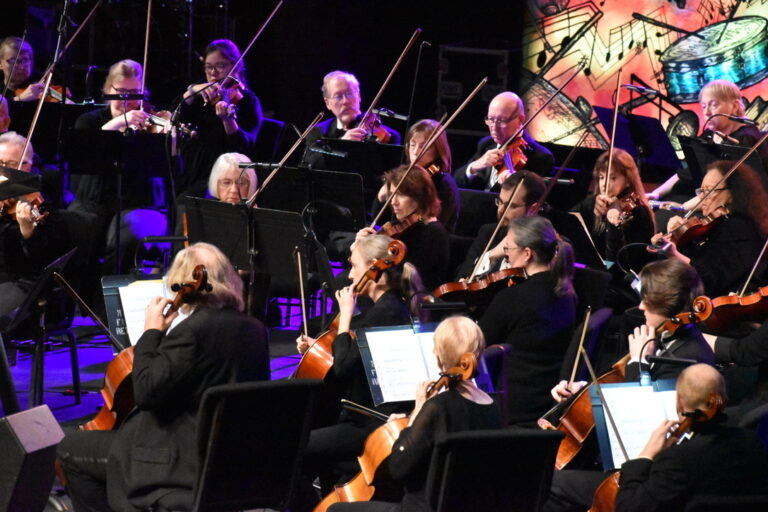
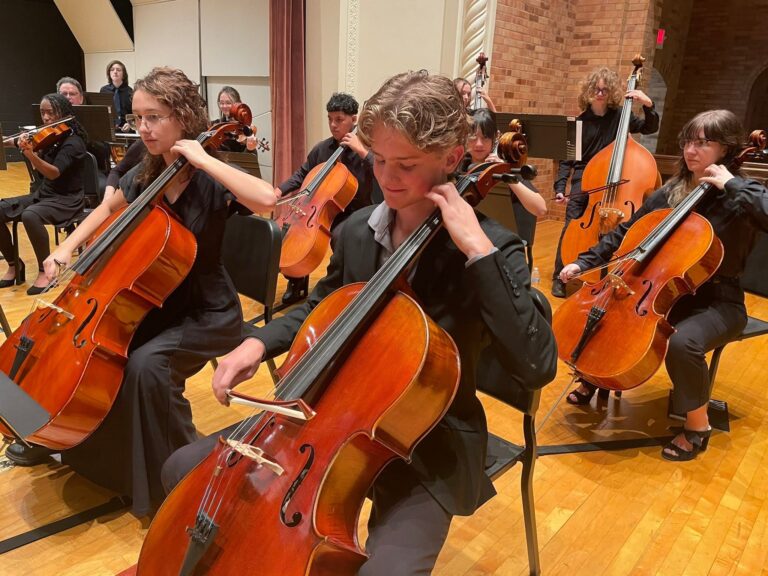
- Strings
- Woodwinds
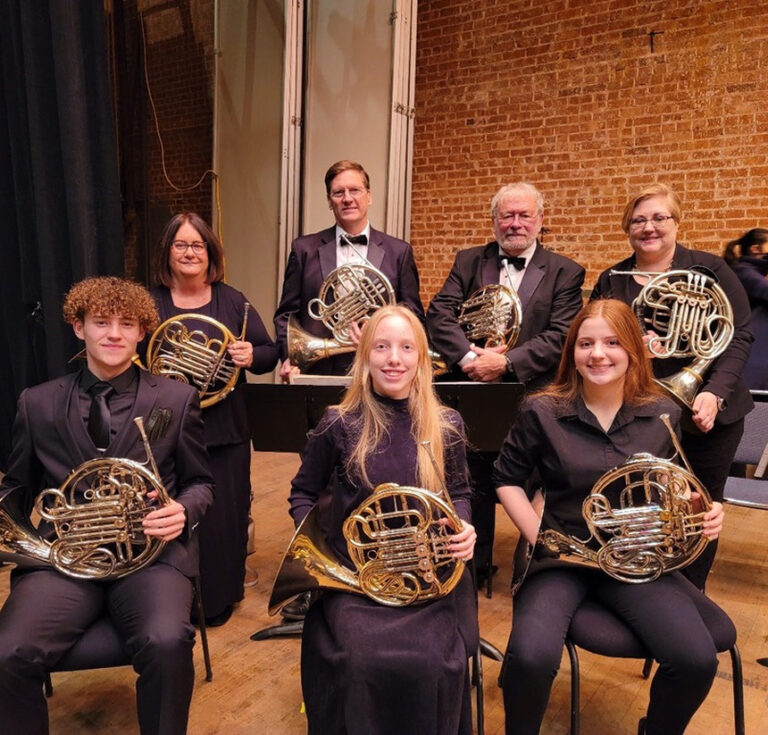
- Brass
- Percussion
An orchestra can perform many different styles of music, from classical masterpieces and movie scores to contemporary works and holiday favorites.
The word orchestra describes the ensemble itself.
What Is a Symphony?
A symphony is actually a type of musical composition.
Traditionally, a symphony is a large-scale work written for orchestra, usually consisting of multiple movements.
Over time, many orchestras adopted the word symphony as part of their organization’s name. For example, the Wichita Falls Symphony Orchestra is an orchestra that regularly performs symphonies, along with many other types of music.
So when someone says they’re “going to the symphony,” they’re usually referring to attending a concert performed by the local symphony orchestra.
What Is a Philharmonic?
This one surprises many people.
A philharmonic is also an orchestra.
The word comes from Greek roots meaning “love of harmony” or “love of music.”
There is no difference in quality, size, or professionalism between a symphony orchestra and a philharmonic orchestra.
Names like:
- New York Philharmonic
- Los Angeles Philharmonic
- Vienna Philharmonic
simply reflect historical naming choices made when those organizations were founded.
Why Do Some Cities Have Both?
Occasionally, a city has more than one major orchestra.
Using Symphony for one organization and Philharmonic for another helps distinguish between them.
For example, London has both the London Symphony Orchestra and the London Philharmonic Orchestra. The different names help audiences tell them apart, not because they perform different kinds of music.
What Is a Chamber Orchestra?
A chamber orchestra is simply a smaller orchestra.
While a full symphony orchestra may include 70 to 100 or more musicians, a chamber orchestra often has between 15 and 40 performers, depending on the music being played.
Because of its smaller size, chamber orchestra performances often feel more intimate, allowing audiences to hear individual instruments and musical conversations with remarkable clarity.
Many works by composers such as Mozart, Haydn, and Bach were written for ensembles closer to the size of today’s chamber orchestras.
What About a Pops Orchestra?
Some orchestras also perform pops concerts, featuring music from movies, Broadway, television, jazz, video games, or popular artists.
A pops concert doesn’t require a different orchestra. It’s simply a different style of programming performed by the same talented musicians.
Different Names, Same Love of Music
Whether it’s called an orchestra, symphony, or philharmonic, the goal is the same: bringing musicians together to perform music that inspires, challenges, and connects audiences.
The names reflect history more than function.
What matters most isn’t what’s printed on the program cover. It’s the experience of hearing live music performed by skilled musicians working together.
Experience It for Yourself
The Wichita Falls Symphony Orchestra has been bringing live orchestral music to Texoma for generations. From timeless classical masterworks to contemporary favorites and family-friendly performances, every concert offers an opportunity to experience the remarkable sound of a full symphony orchestra.
Whatever name an orchestra carries, the feeling of hearing one perform live is something every music lover should experience at least once.
And once is often enough to make you want to come back.