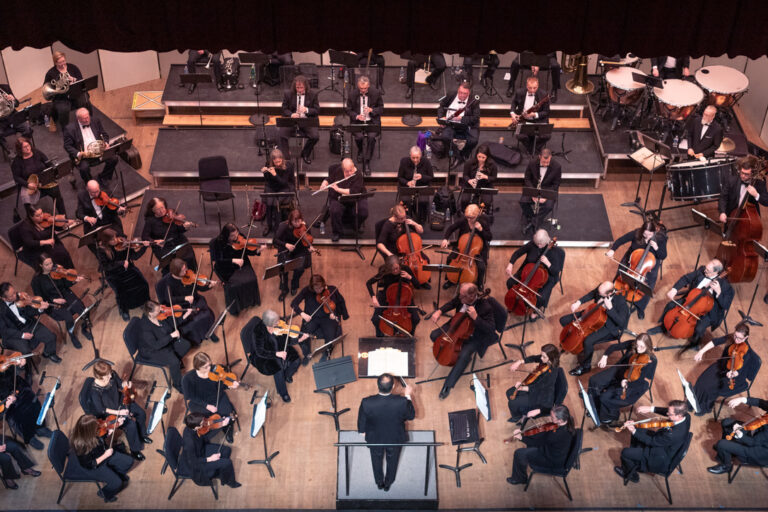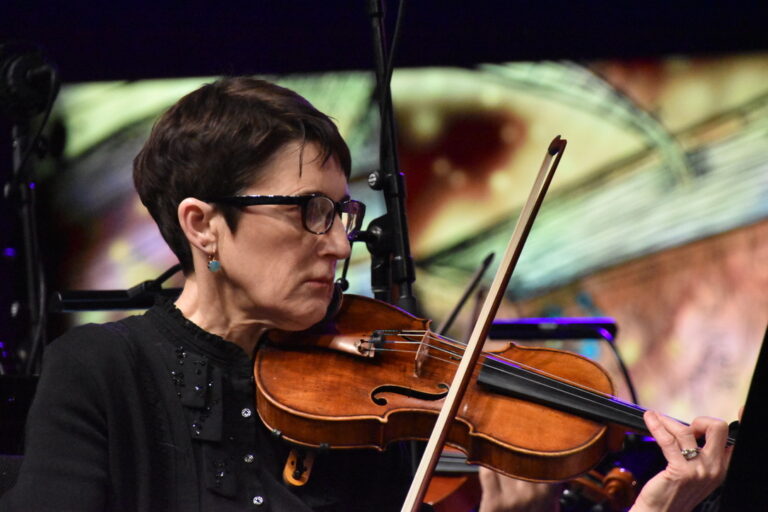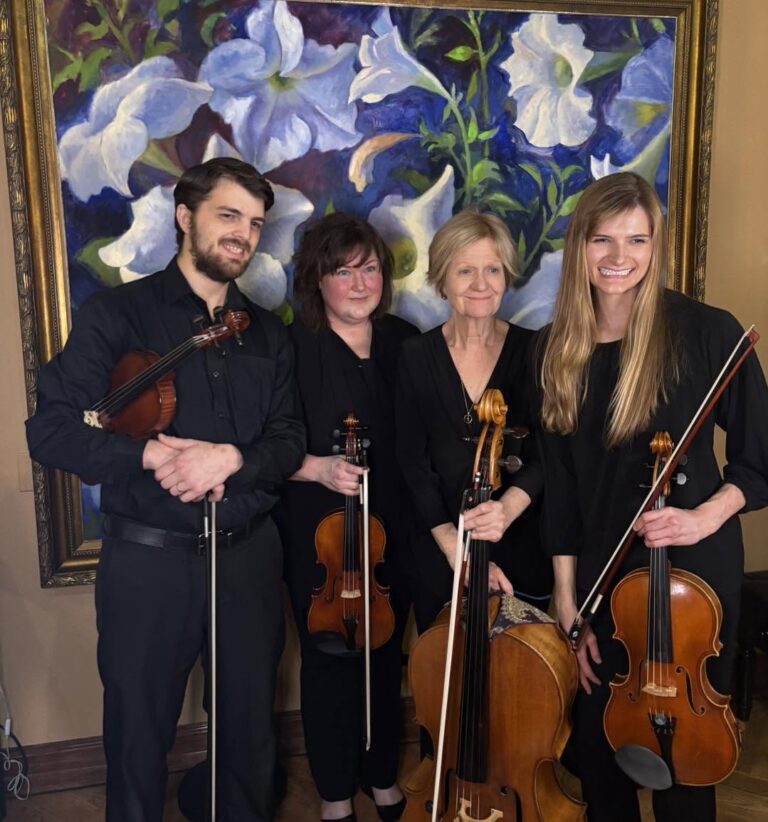
When you watch a symphony orchestra perform, it’s easy to notice the person standing at the front, waving a baton. But what does a conductor actually do?
The short answer is: much more than keeping time.
A conductor is part musician, part teacher, part leader, and part storyteller. Their role begins long before the audience takes their seats.
Before the Concert
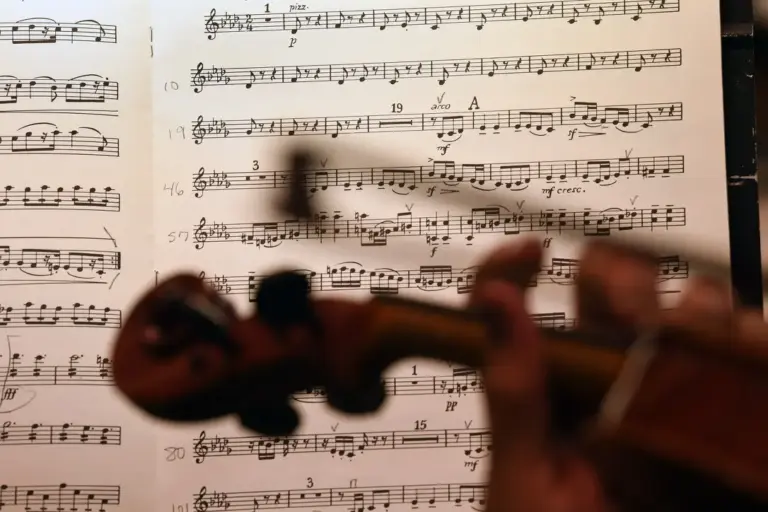
Long before the first rehearsal, a conductor studies the score, which contains every note played by every instrument in the orchestra.
They analyze:
- Tempo and rhythm
- Balance between instrument sections
- Musical phrasing
- Dynamics, from the quietest whisper to the most powerful climax
- The composer’s intentions and historical context
By the time rehearsals begin, the conductor already has a vision for how the music should sound.
During Rehearsals
A conductor helps dozens of musicians perform as one.
They may ask the strings to play more softly so a clarinet melody can be heard. They might encourage the brass to create a more heroic sound or help the percussion section find exactly the right level of energy.
Rehearsals are filled with problem solving, collaboration, and countless artistic decisions.
Even highly accomplished professional musicians rely on a conductor to shape the performance into a unified musical experience.
During the Performance
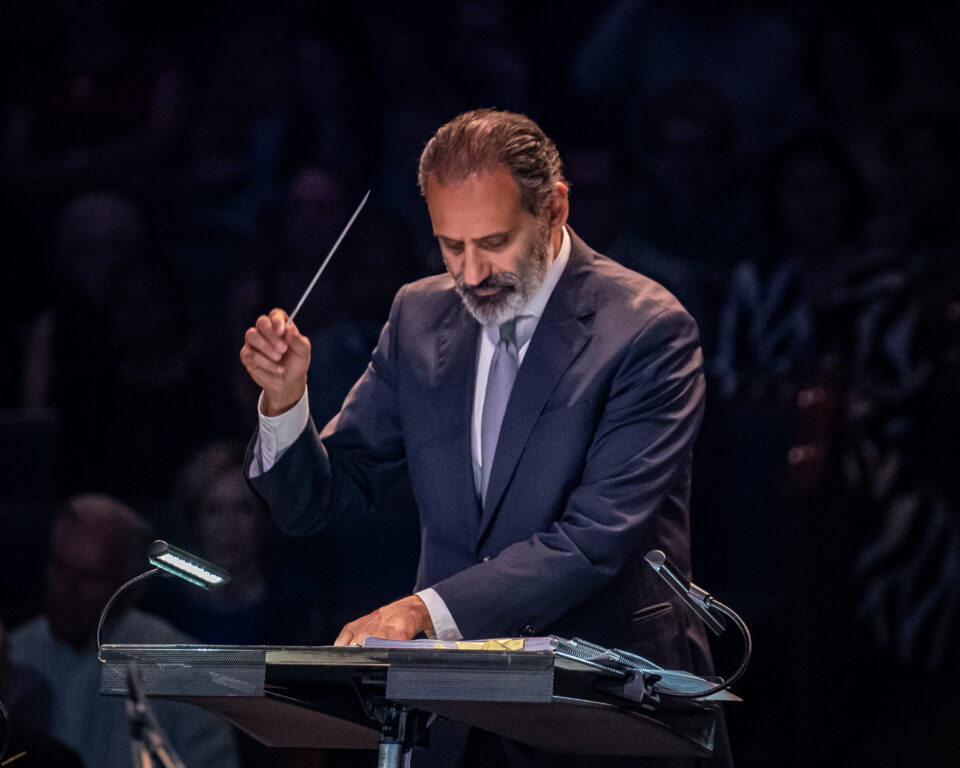
During a concert, the conductor becomes the orchestra’s visual guide.
Using hand gestures, facial expressions, posture, and sometimes a baton, they communicate:
- The tempo
- When each instrument enters
- Changes in volume
- Musical character and emotion
- Starts, stops, and transitions
The musicians are constantly watching and listening, responding together in real time.
Is the Conductor Making Music?
Absolutely.
Although they don’t produce sound directly, the conductor shapes nearly every aspect of the performance.
Think of a screenplay. Two directors can use the same script yet create completely different films.
Music works much the same way.
Two orchestras can perform the exact same notes on the page, but each conductor brings a unique interpretation, emphasizing different emotions, pacing, and colors within the music.
Why Use a Baton?
Not every conductor uses one, but many do.
A baton extends the movement of the hand, making it easier for musicians across the stage to see precise cues. In a large orchestra, where performers may be seated many yards away, those clear visual signals are essential.
Some conductors set the baton aside for quieter works or passages that call for more expressive hand movements.
Does the Orchestra Really Need a Conductor?
For small chamber ensembles, musicians often perform without one.
In a full symphony orchestra, however, a conductor helps coordinate dozens of performers who may be playing independent musical lines at the same time.
Without someone shaping the interpretation, rehearsals would take longer, musical decisions would be harder to unify, and performances could lose the cohesion that audiences often take for granted.
Leadership Without Saying a Word
One of the most remarkable things about conducting is that almost no words are spoken during a performance.
A conductor leads entirely through preparation, trust, communication, and presence.
It’s a reminder that leadership isn’t always about being the loudest voice in the room. Sometimes it’s about helping others listen to one another.
Experience It Live
Watching a conductor on video is fascinating, but seeing one lead a live orchestra is something entirely different. You’ll notice the subtle gestures, the conversations between sections of the orchestra, and the way dozens of musicians breathe, begin, and finish together.
The Wichita Falls Symphony Orchestra invites audiences of all ages to experience this remarkable collaboration firsthand. Whether you’re attending your first concert or your fiftieth, you’ll never watch a conductor quite the same way again.