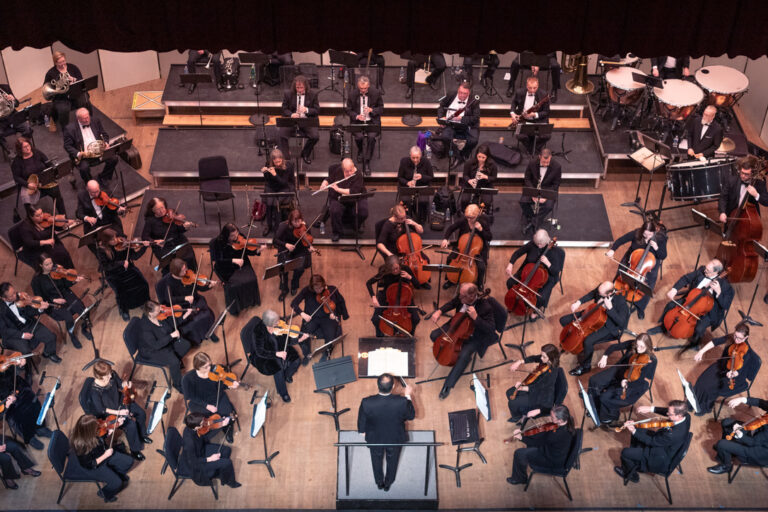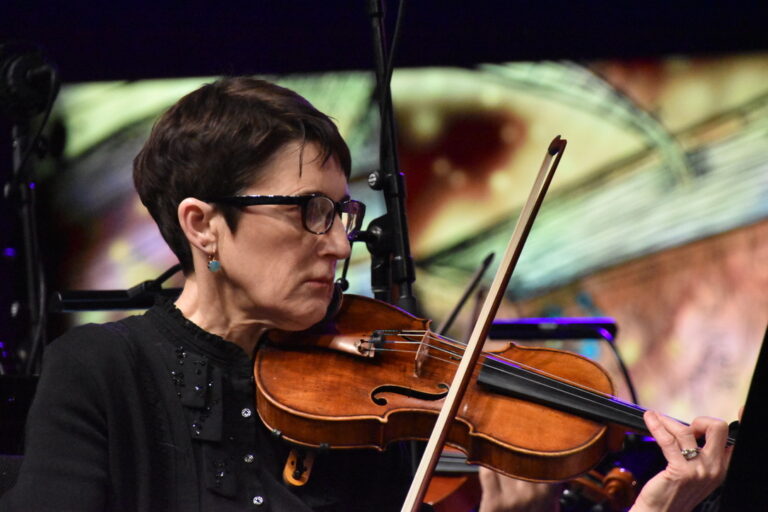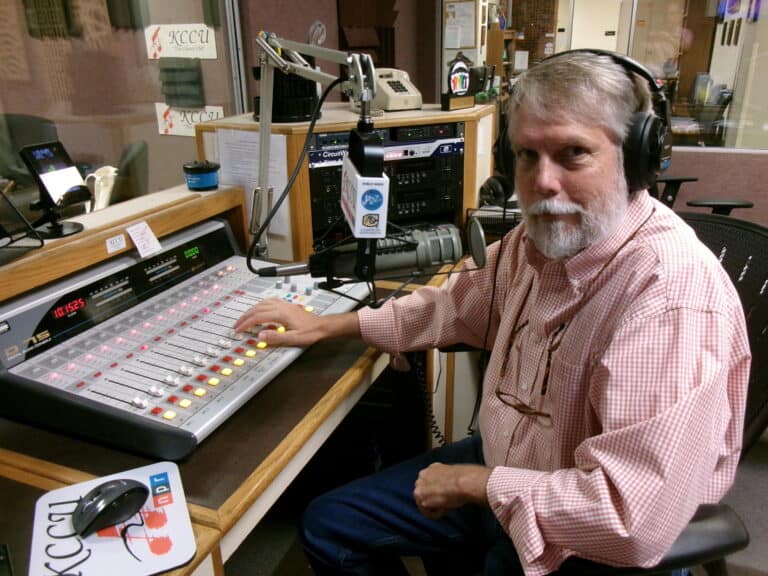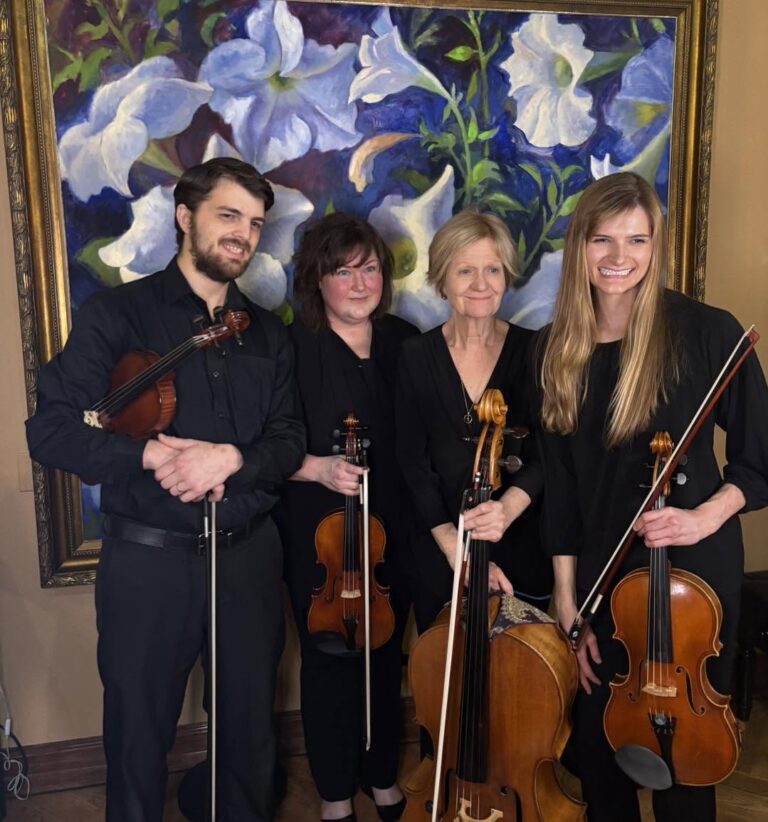
For nearly a century, Memorial Auditorium has stood as one of Wichita Falls’ most recognizable landmarks. More than just a performance venue, it has served as the heart of civic life – a place where city business is conducted and audiences have experienced memorable artistic performances. For the Wichita Falls Symphony Orchestra, it has been home: a stage where musicians and patrons have shared the power of live symphonic music for generations.
Although the venue is currently undergoing an extensive restoration and modernization, its legacy continues to shape our story. We eagerly anticipate the day when the orchestra once again takes the stage in this remarkable building.
Construction of the Auditorium
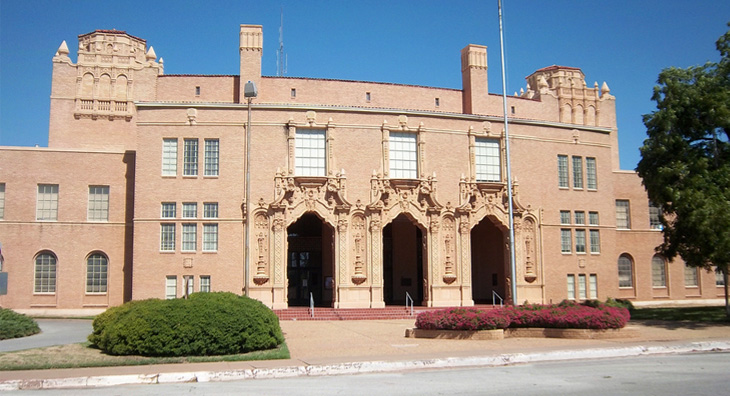
Constructed in 1927 during Wichita Falls’ oil boom, Memorial Auditorium was designed by the architectural firms Lang & Witchell of Dallas in association with Voelcker & Dixon of San Antonio as part of a combined municipal complex that continues to serve as Wichita Falls City Hall today. Unlike most performing arts venues, Memorial Auditorium was conceived as both the seat of local government and a grand public gathering place – a unique combination that has made it one of the city’s defining landmarks for nearly one hundred years.
The design drew inspiration from Lang & Witchell’s earlier Fair Park Auditorium in Dallas, adapting its monumental scale and architectural character for Wichita Falls. Built in the Spanish Baroque Revival style, the building features an impressive façade, sweeping public spaces, and a 2,700-seat auditorium that quickly became the largest and most significant performance venue in the region.
Although construction was completed in 1927, the building was formally dedicated as Memorial Auditorium in May 1928 during a citywide ceremony honoring veterans of the Spanish-American War and World War I. Thousands of residents gathered for patriotic music, speeches, and the dedication of the memorial sculptures that still stand outside the building today.
From its earliest days, Memorial Auditorium was designed to serve everyone – from city leaders and civic organizations to schoolchildren, touring performers, and local arts groups. That vision remains at the heart of the building nearly a century later.
A Stage for Legendary Performers
Over the decades, Memorial Auditorium has welcomed an extraordinary range of performers, earning its reputation as the premier stage for live entertainment in North Texas.
Among the earliest nationally recognized performers to appear there was Will Rogers, followed by entertainers including Gene Autry, Bob Hope, Louis Armstrong, Duke Ellington, Ethel Barrymore, and Elvis Presley. Their appearances reflected Wichita Falls’ growing prominence during the mid-twentieth century and established Memorial Auditorium as a destination for world-class entertainment.
As the decades passed, the tradition continued. The auditorium has hosted touring Broadway productions, acclaimed musicians, comedians, dance companies, graduations, civic ceremonies, and community celebrations. Artists including B.B. King, Willie Nelson, Jerry Seinfeld, and Ron White have all performed on its stage, demonstrating the remarkable versatility of a venue that has served audiences for generations.
While the names and performances have changed over the years, Memorial Auditorium has remained what it was always intended to be: a place where the community comes together to experience something extraordinary.
Home for the Wichita Falls Symphony Orchestra
For the Wichita Falls Symphony Orchestra, Memorial Auditorium is far more than a performance venue – it is part of our identity and our history.
The first orchestra to regularly perform in the auditorium was organized by Eitel Allen Nelson, whose ensemble made Memorial Auditorium its home beginning in 1929. Although those concerts ended during the Great Depression, the tradition of orchestral music in Wichita Falls was firmly established.
That tradition was renewed on May 9, 1948, when the newly re-established Wichita Falls Symphony Orchestra presented its inaugural concert under Music Director Frederic Balazs. Held at Memorial Auditorium, the ambitious program featured Verdi’s Requiem, Schubert’s Unfinished Symphony, Strauss’ Blue Danube Waltz, and Berlioz’ Hungarian March. Nearly 1,000 local schoolchildren joined a 125-voice chorus from North Texas State College, making the concert one of the largest musical events the city had ever witnessed.
From that moment forward, Memorial Auditorium became synonymous with the Wichita Falls Symphony Orchestra.
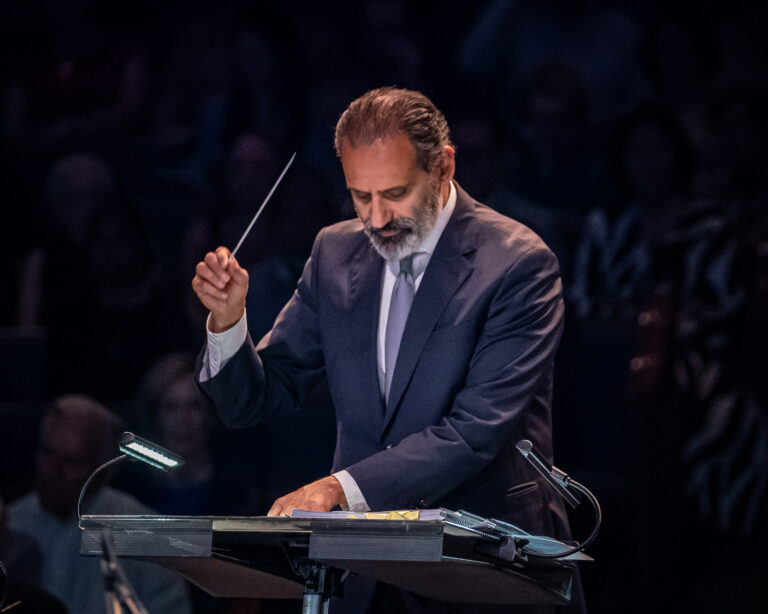
For generations, the WFSO has welcomed internationally acclaimed guest artists, celebrated resident musicians, and introduced thousands of children to live orchestral music from its stage. Audience members have celebrated milestone performances, standing ovations, first concerts, and cherished traditions within its historic walls.
The auditorium has also long served as the home of the Wichita Falls Ballet Theatre, whose annual productions—especially The Nutcracker—have become treasured holiday traditions for families throughout Texoma. Together, the WFSO and WFBT transformed Memorial Auditorium into the cultural heart of Wichita Falls, where music and dance have inspired generations of artists and audiences alike.
Renovation & Looking Ahead
In 2024, Memorial Auditorium closed its doors to begin the most significant renovation project in its history.
The comprehensive restoration is designed to preserve the building’s historic character while preparing it to serve future generations. The project includes new mechanical, electrical, and plumbing systems, modern climate control, improved accessibility, renovated public spaces, expanded restrooms, upgraded infrastructure, and numerous life-safety improvements. Every effort has been made to retain the architectural features that have made Memorial Auditorium a Wichita Falls landmark for nearly a century.
As City Hall staff gradually return to renovated office spaces, work continues on restoring the auditorium itself, including updated lighting, rigging, and seating. Once complete, the building will once again fulfill the dual purpose envisioned by its original designers, serving as both the civic heart of Wichita Falls and one of its most treasured cultural destinations.
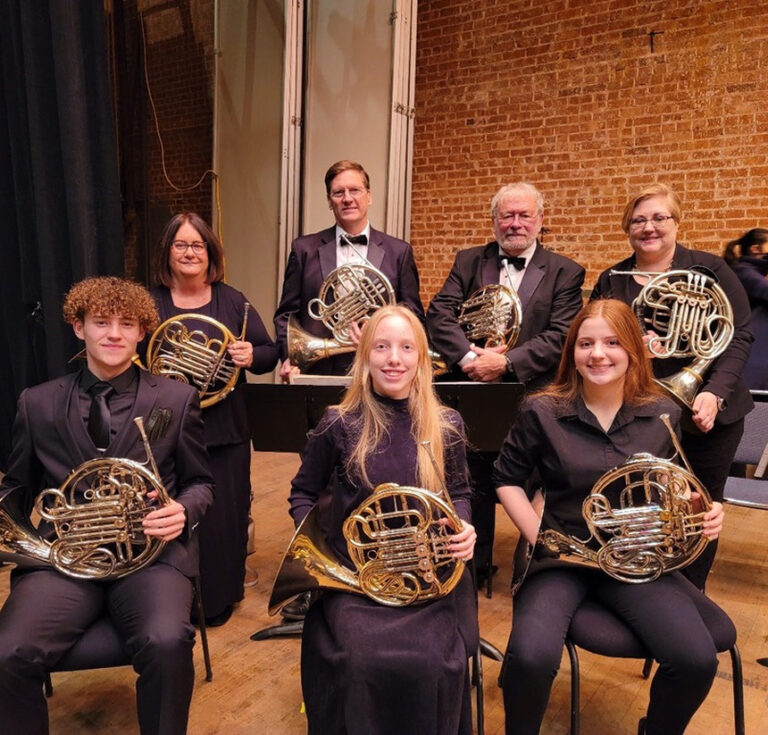
While construction continues, the Wichita Falls Symphony Orchestra has embraced the opportunity to perform throughout the community, presenting concerts in churches, university venues, and other performance spaces across Wichita Falls. These venues have allowed us to continue sharing music with our audiences while preserving the connection that has always defined the WFSO.
With an anticipated return to Memorial Auditorium during the WFSO’s 2027-28 season, we look forward to the day when the house lights dim once again, the orchestra tunes, and live symphonic music returns to the stage we have proudly called home for generations.