Hispanic Heritage Month runs September 15 through October 15, and the start date isn’t random. It’s the anniversary of independence for five Central American countries, with Mexico’s independence day following on September 16. We consider our 3rd annual Estrellas y Sinfónicas concert the kickoff to a month full of celebration.
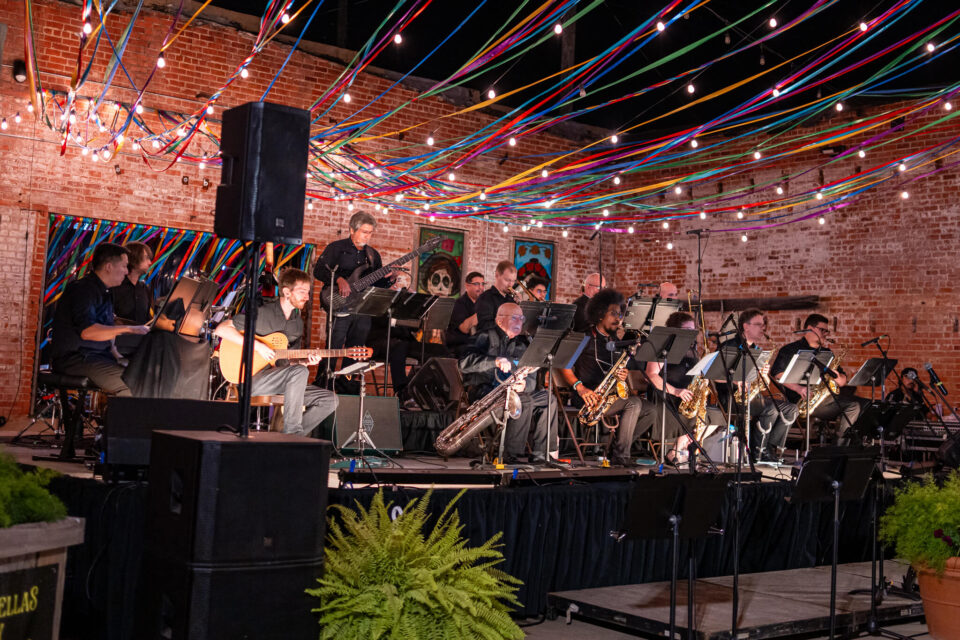
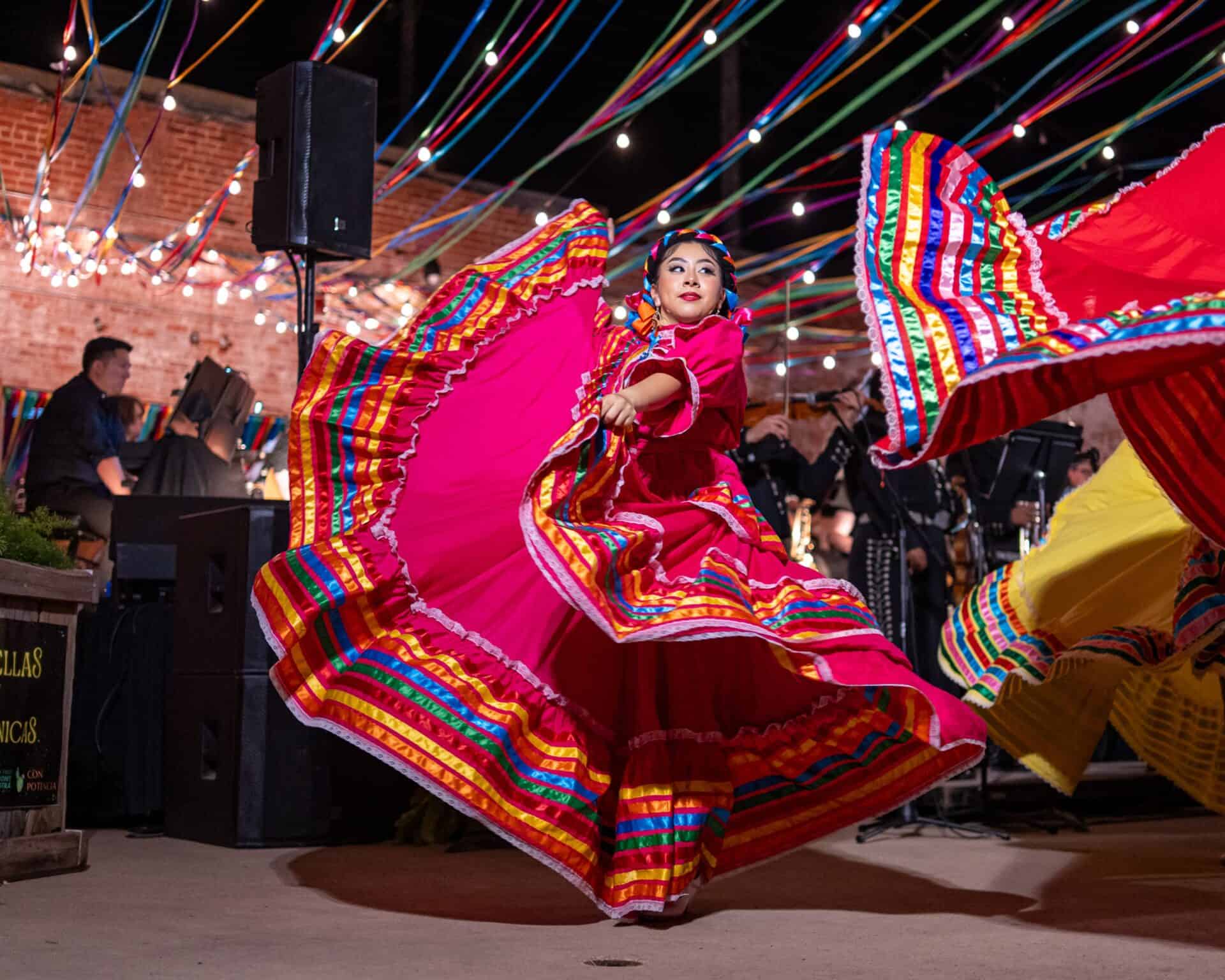
This year’s concert is Saturday, September 12 at 8:00 PM in Travis Park, and it’s the result of a continued partnership between three cornerstone cultural nonprofits here in Wichita Falls. Brought to you by the collaboration between the WFSO, Con Potencia, and Zavala International Dance, the concert features performances by the WFSO Jazz Band, Zavala’s Advanced and Intermediate dance groups, as well as DFW’s premier group: Mariachi Alegre USA. Throughout the evening the audience will experience Latin jazz, mariachi favorites, a Selena tribute, and more along with traditional folkloric and international dance styles performed to the music.
A few of the songs on the program are so familiar you probably don’t know their names. Here’s the story behind three of them, plus a bonus, with Spotify links so you can do your homework on before the concert.
Jarabe Tapatío (the one you call the Mexican Hat Dance)
If you took an elementary school music class in Texas, you’ve heard this. You may have danced it around a sombrero on the gym floor.
The jarabe is a courtship dance, and “tapatío” is the nickname for someone from Guadalajara, in the state of Jalisco. The dance has been around since the late 1700s, and colonial authorities banned it in the 1790s for being indecent. That mostly made people want to dance it more.
What turned a regional dance into a national symbol was, oddly enough, a Russian ballerina. Anna Pavlova toured Mexico in 1919, fell for the jarabe, and added it to her repertoire, performing it on pointe in full folklórico dress. Mexican audiences went wild. A few years later, in 1924, Mexico’s education ministry made it the official national dance and put it in the school curriculum, which is how it ended up in yours. It’s the first thing on the program, and Zavala International Dance is the reason. Their dancers open the night with it, and if you’ve seen them before you know they don’t hold back!
El Son de la Negra (Mexico’s “second national anthem”)
Every mariachi knows this one. It’s the song that opens the show, closes the show, or gets called out from the crowd at a wedding. Nobody officially voted on it, but “La Negra” is widely called Mexico’s second national anthem. Mariachi Alegre opens the second half with it.
It’s a son jalisciense, the core mariachi style from Jalisco with a driving rhythm that keeps shifting between feeling like it’s in two and feeling like it’s in three. That push and pull is what makes it so hard to sit still through. The song itself comes from Tepic, in what’s now the state of Nayarit, and the lyrics are simple: a man asking when his “negrita” is coming back, silk rebozo and all, and not getting an answer.
The version most people know took shape in the 1940s. Composer Blas Galindo built his orchestral piece Sones de Mariachi around it, and Mariachi Vargas de Tecalitlán turned it into the showpiece arrangement that’s been copied ever since. Mariachi itself was added to UNESCO’s list of intangible cultural heritage in 2011. When you hear the trumpet fanfare at the top, that’s the sound they’re talking about.
Homenaje a Selena Quintanilla
Listen on Spotify: Como La Flor, Bidi Bidi Bom Bom, Amor Prohibido
Selena is a Texas story. She was born in Lake Jackson, grew up performing in Corpus Christi, and became the biggest name in Tejano music, a style that grew up along the Texas-Mexico border out of Mexican song traditions, German polka, and later pop and cumbia.
She won a Grammy in 1994 for Selena Live!, drew a record crowd to the Astrodome, and was on the edge of an English-language crossover when she was killed in 1995 at age 23. Thirty years on, “Como la Flor,” “Bidi Bidi Bom Bom,” and “Amor Prohibido” still fill dance floors at quinceañeras across the state, and a whole generation who never saw her perform knows every word.
Hearing those songs with live musicians behind them is a different experience than hearing them on the radio, we can’t wait to hear this tribute live.
Bonus: Manteca
This one is less of a household name but worth knowing before you hear it. In 1947, trumpeter Dizzy Gillespie hired Cuban percussionist Chano Pozo for his big band. Pozo showed up with the riffs, Gillespie wrote the bridge, and arranger Gil Fuller stitched it together into “Manteca.” It’s one of the first jazz standards built on clave, the rhythmic pattern underneath most Cuban music.
The Library of Congress added the 1947 recording to the National Recording Registry and calls it the moment Afro-Cuban jazz became its own genre rather than an experiment. Everything on this setlist that blends horns with Latin rhythm, from “Salsa Caribeña” to “Spain,” owes something to it.
A quick guide to the rest
The program also includes Pepe Guízar’s “Guadalajara,” plus a mix of rancheras and cumbias. Rancheras are the big, belt-it-out Mexican ballads, the ones about heartbreak and pride and your hometown. Cumbias started in Colombia and became Mexico’s go-to party rhythm, so when the night hits “¿Cómo te voy a olvidar?” you’ll see the difference on the dance floor. Rounding it out are jazz standards like Sonny Rollins’s “St. Thomas” and Chick Corea’s “Spain.” If you know the words to “Guadalajara,” nobody will mind if you sing along!
Estrellas y Sinfónicas is Saturday, September 12, 2026 at 8:00 PM at Travis Park, 806 Travis Street in Wichita Falls.