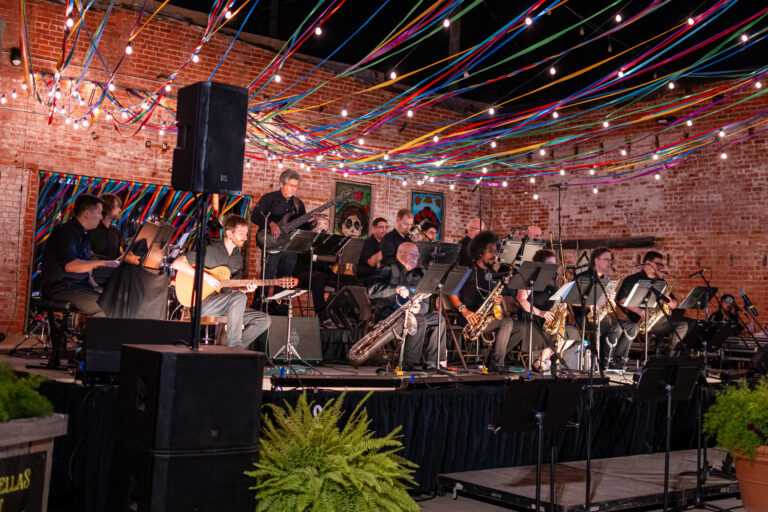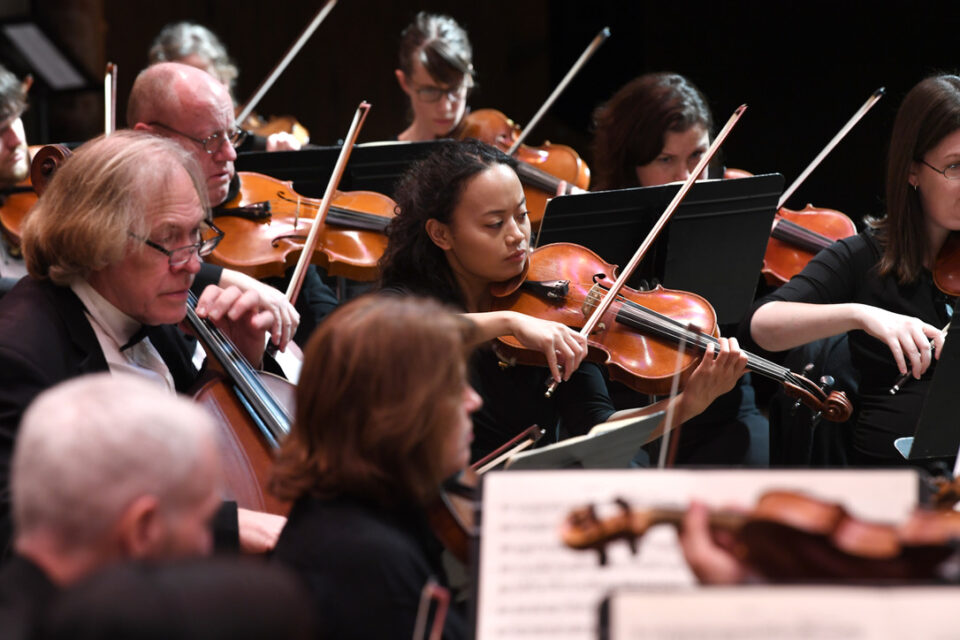
You may think you don’t listen to classical music.
But if you’ve watched a movie recently, chances are you’ve heard its influence.
For more than a century, film composers have borrowed techniques, orchestration, and inspiration from the great classical composers. The sweeping melodies, dramatic brass, soaring strings, and powerful percussion that define today’s biggest movie soundtracks all have roots in the symphony orchestra.
Here Are Ten Iconic Film Scores
These showcase just how closely movies and classical music are connected.
- Star Wars (John Williams)
Perhaps no modern film score has introduced more people to orchestral music than Star Wars.
John Williams drew inspiration from late Romantic composers such as Gustav Holst, Richard Wagner, Erich Wolfgang Korngold, and Antonín Dvořák, creating heroic themes that have become part of popular culture.
If you enjoy Star Wars, you’ll likely enjoy Holst’s The Planets. - Harry Potter (John Williams)
The magical world of Hogwarts comes alive through shimmering strings, woodwinds, and celesta.
Williams’ score echoes the rich orchestral writing of composers like Tchaikovsky, Prokofiev, and Ravel, blending wonder with mystery. - The Lord of the Rings (Howard Shore)
Howard Shore created an enormous musical landscape using recurring themes, known as leitmotifs, much like Richard Wagner did in his operas.
Each culture, place, and character has its own musical identity, making the score feel almost like a symphony. - Indiana Jones (John Williams)
Adventure has a sound.
Bold brass fanfares, energetic strings, and memorable melodies place this score firmly in the tradition of composers such as Korngold and Richard Strauss. - Jurassic Park (John Williams)
The soaring main theme captures both awe and wonder.
Its expansive orchestration recalls the emotional breadth of composers like Aaron Copland and Anton Bruckner, celebrating discovery on a grand scale. - Pirates of the Caribbean (Hans Zimmer and Klaus Badelt)
This energetic score combines powerful percussion, driving rhythms, and sweeping orchestral themes.
While unmistakably modern, it still relies on the same orchestra that audiences have enjoyed for generations. - How to Train Your Dragon (John Powell)
John Powell’s vibrant score showcases the full range of the orchestra, from delicate woodwinds to soaring strings and triumphant brass.
Many music educators consider it one of the finest contemporary orchestral film scores. - E.T. the Extra-Terrestrial (John Williams)
The unforgettable flying sequence demonstrates how music can tell a story without dialogue.
The orchestra expresses excitement, friendship, and wonder with remarkable emotional depth. - The Lion King (Hans Zimmer)
Zimmer combines a traditional symphony orchestra with African vocal traditions and percussion to create a score that feels both timeless and distinctive.
It’s a wonderful example of how orchestral music continues to evolve by embracing musical traditions from around the world. - The Chronicles of Narnia: The Lion, the Witch and the Wardrobe (Harry Gregson-Williams)
This score blends lyrical melodies, powerful orchestration, and choral writing to create an epic fantasy world.
Its rich musical language reflects centuries of orchestral tradition while telling a modern story.
Why Do Movie Scores Sound So Powerful?
A symphony orchestra can express nearly every human emotion.
- Joy.
- Wonder.
- Fear.
- Triumph.
- Heartbreak.
That’s why filmmakers continue turning to orchestras to tell stories that words alone cannot.
Whether the music accompanies a wizard discovering magic, a dinosaur appearing for the first time, or a spacecraft soaring through the stars, the emotional impact often comes from the same instruments audiences hear in a concert hall.
Experience the Sound Live
If you love movie soundtracks, you’re already an orchestral music fan.
Many of the techniques used by today’s film composers were pioneered by classical composers hundreds of years ago, and hearing a live symphony orchestra perform offers a deeper appreciation for both worlds.
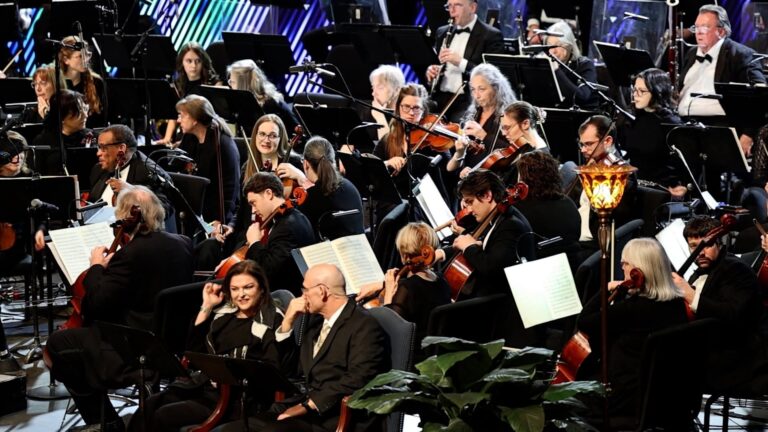
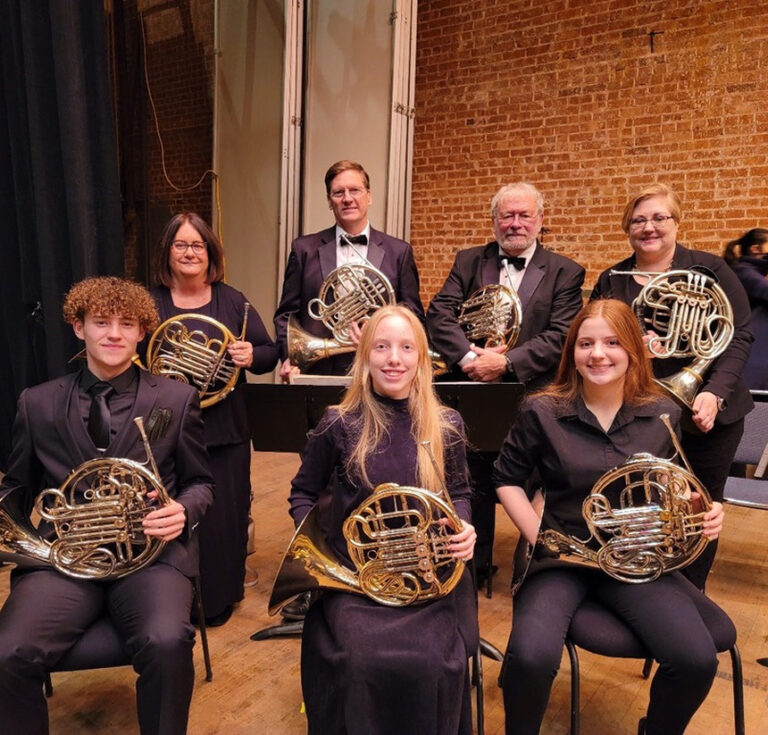
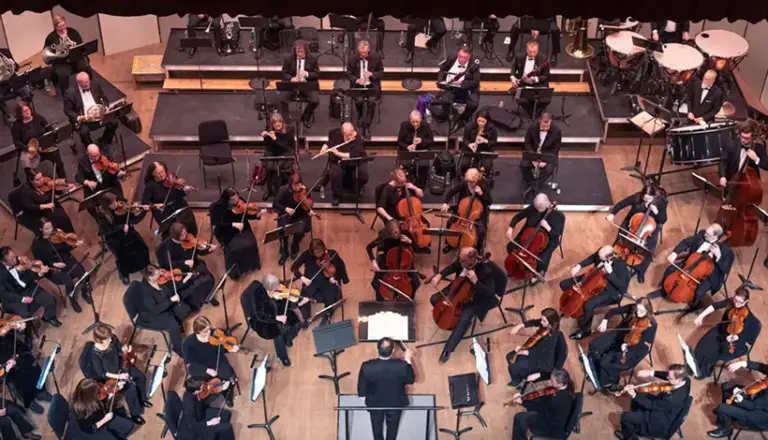
The Wichita Falls Symphony Orchestra celebrates the timeless power of orchestral music through performances that connect audiences with beloved classics, contemporary works, and the rich musical traditions that continue to inspire today’s composers.
You may come for the music you recognize. You might leave having discovered where it all began.