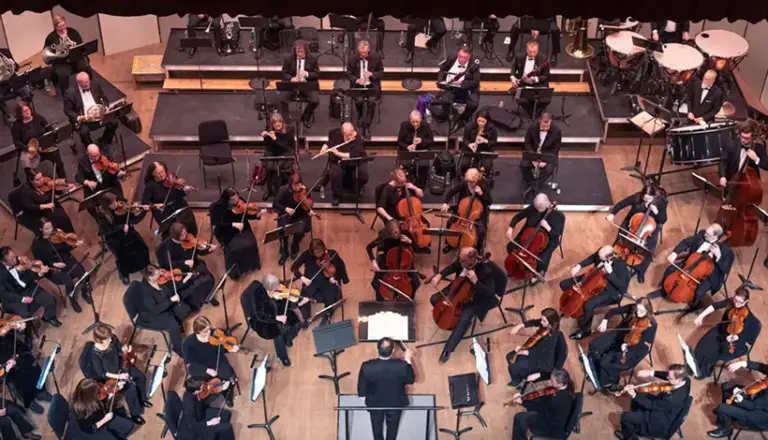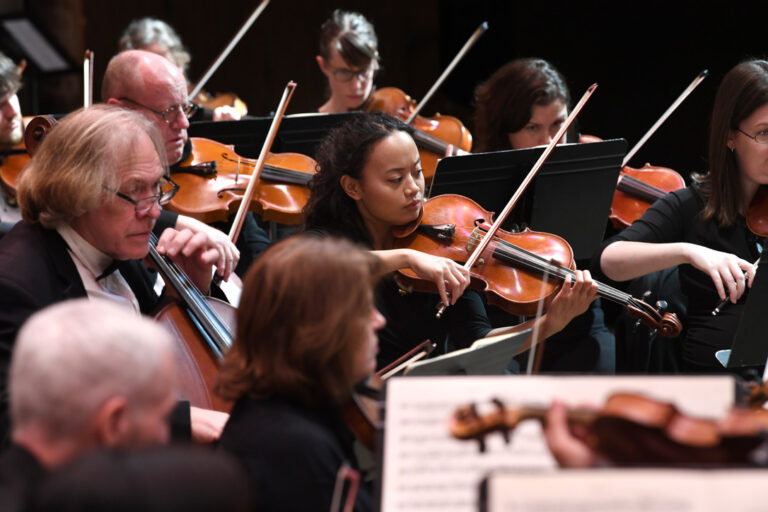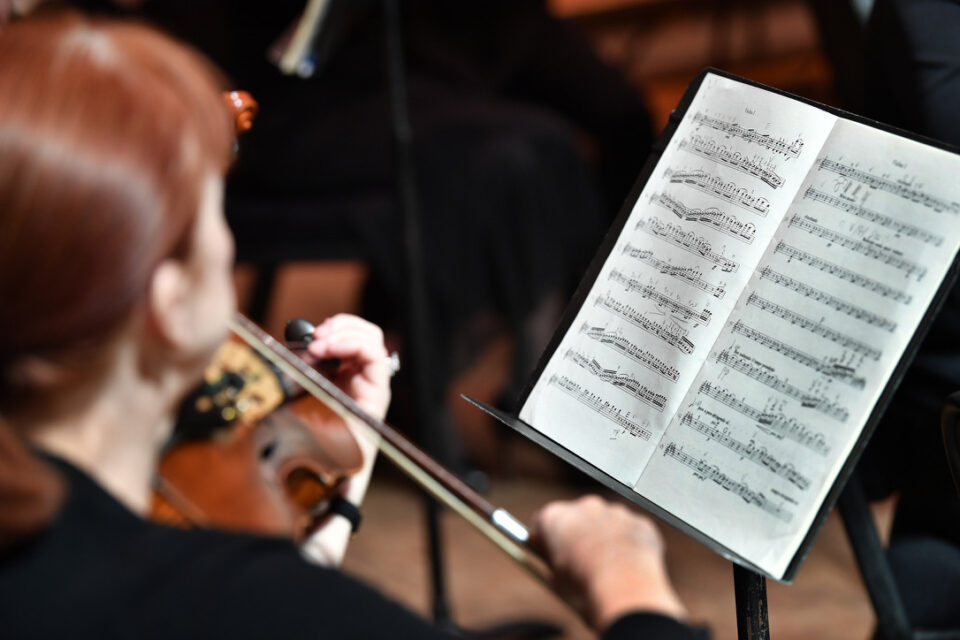
Every musician has a piece that sparked their imagination. Sometimes it’s a melody learned in elementary school. Sometimes it’s a powerful orchestral finale that sends chills down your spine. These works have inspired generations of performers and continue to shape how we experience music today.
Whether your child is learning an instrument, joining a school orchestra or band, or simply discovering classical music, these ten pieces are wonderful places to begin.
1. Beethoven’s Symphony No. 5
Perhaps the most recognizable opening in classical music begins with four unforgettable notes.
Beethoven’s Fifth Symphony demonstrates how a simple musical idea can grow into one of the greatest works ever written. It teaches listeners about rhythm, drama, and emotional storytelling through music.
2. Tchaikovsky’s The Nutcracker Suite
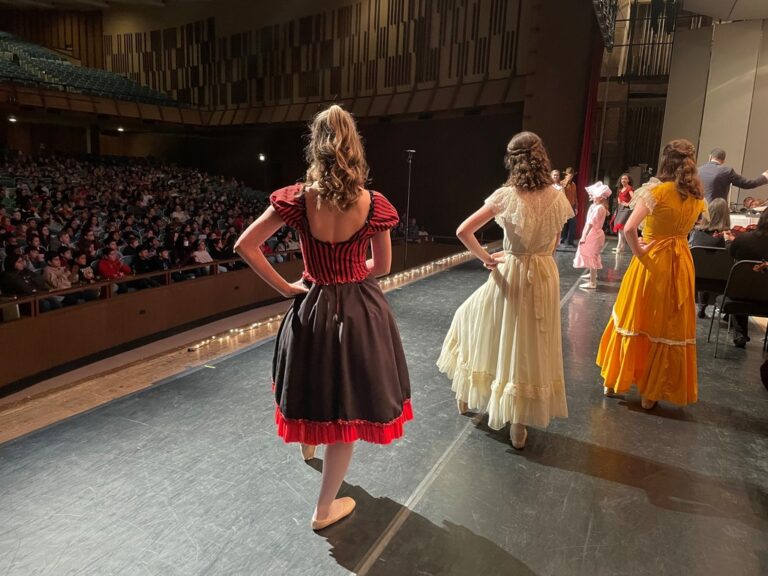
Many children first discover orchestral music through The Nutcracker.
From the “Dance of the Sugar Plum Fairy” to the “Waltz of the Flowers,” these colorful pieces introduce listeners to the unique sounds of the celesta, strings, woodwinds, and brass.
3. Dvořák’s Symphony No. 9, “From the New World”
Written while living in America, Antonín Dvořák blended his European roots with inspiration from American musical traditions.
Its beautiful melodies and sweeping orchestration have made it one of the world’s most beloved symphonies.
4. Saint-Saëns’ Carnival of the Animals
This playful suite introduces children to many orchestra instruments through musical storytelling.
Each movement represents a different animal, making it both entertaining and educational for young listeners.
5. Holst’s The Planets
Gustav Holst transformed the planets into unforgettable musical portraits.
From the intensity of “Mars” to the serenity of “Venus” and the excitement of “Jupiter,” this suite showcases the incredible range of a full symphony orchestra.
6. Rossini’s William Tell Overture
Even if you’ve never attended a classical concert, you’ve almost certainly heard this famous finale.
Its energetic rhythms and brilliant orchestration demonstrate the excitement and precision required from every section of the orchestra.
7. Copland’s Appalachian Spring
Aaron Copland captured the spirit of the American landscape with open harmonies and memorable melodies.
The familiar tune “Simple Gifts” has introduced countless listeners to American classical music.
8. Prokofiev’s Peter and the Wolf
This timeless musical story teaches children how different orchestra instruments represent different characters.
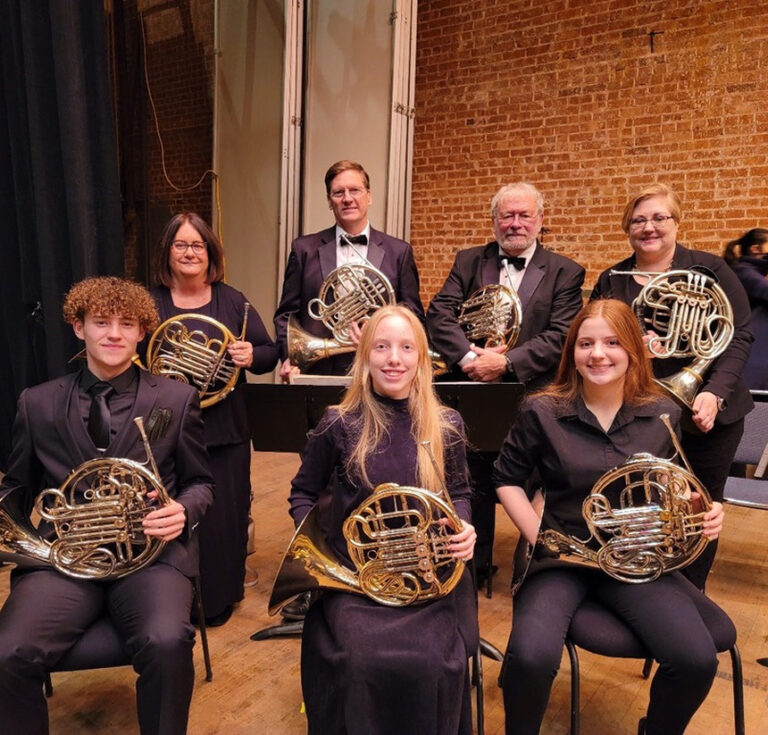
The bird is played by the flute. The duck by the oboe. The wolf by the French horns. It’s one of the most enjoyable ways to learn instrument families.
9. Mussorgsky’s Pictures at an Exhibition
Inspired by artwork, this suite demonstrates how music can paint vivid pictures without using words.
Maurice Ravel’s famous orchestration gives nearly every instrument family an opportunity to shine.
10. John Williams’ Star Wars Suite
Classical music isn’t confined to concert halls.
John Williams drew inspiration from composers like Holst, Korngold, and Wagner to create some of the most recognizable film music ever written. His scores have introduced millions of young people to the power of a full symphony orchestra.
Why These Pieces Matter
These works aren’t famous simply because they’re old. They’re enduring because they continue to move audiences, challenge musicians, and inspire new generations.
As young musicians grow, they’ll discover new favorites and explore composers from around the world. But these pieces provide an excellent foundation for understanding the beauty, emotion, and artistry of orchestral music.
Listening together as a family can also spark meaningful conversations about history, storytelling, creativity, and the many ways music connects us across cultures and generations.
The Wichita Falls Symphony Orchestra is proud to bring timeless masterpieces and exciting new works to audiences throughout Texoma. Whether you’re introducing a child to their very first concert or rediscovering these classics yourself, there’s nothing quite like experiencing them performed live.
Because sometimes a single piece of music is all it takes to begin a lifelong love of the orchestra.