Have you ever wondered why an orchestra sounds so full, powerful, and expressive?
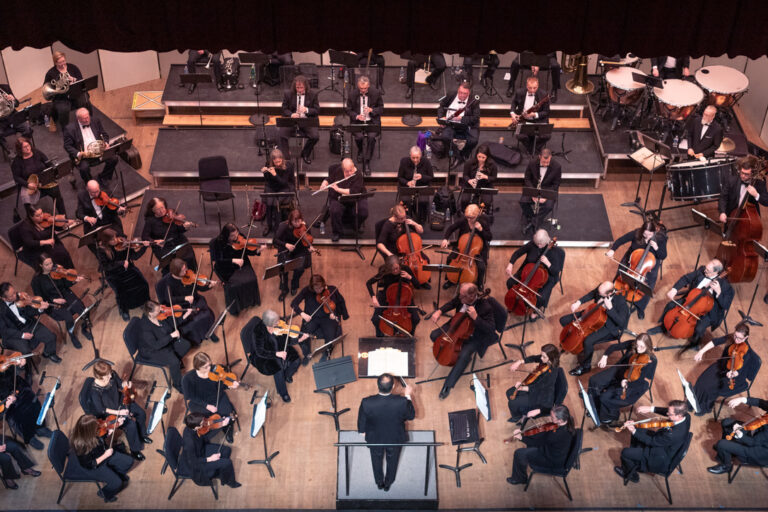
The answer isn’t one instrument. It’s dozens of musicians working together, each bringing a unique voice to the music. Every symphony orchestra is made up of four instrument families, each with its own personality, purpose, and sound. Together, they create the rich musical experience audiences have enjoyed for centuries.
Whether you’re attending your first concert or introducing a child to orchestral music, getting to know these instrument families can make every performance even more enjoyable.
The String Family
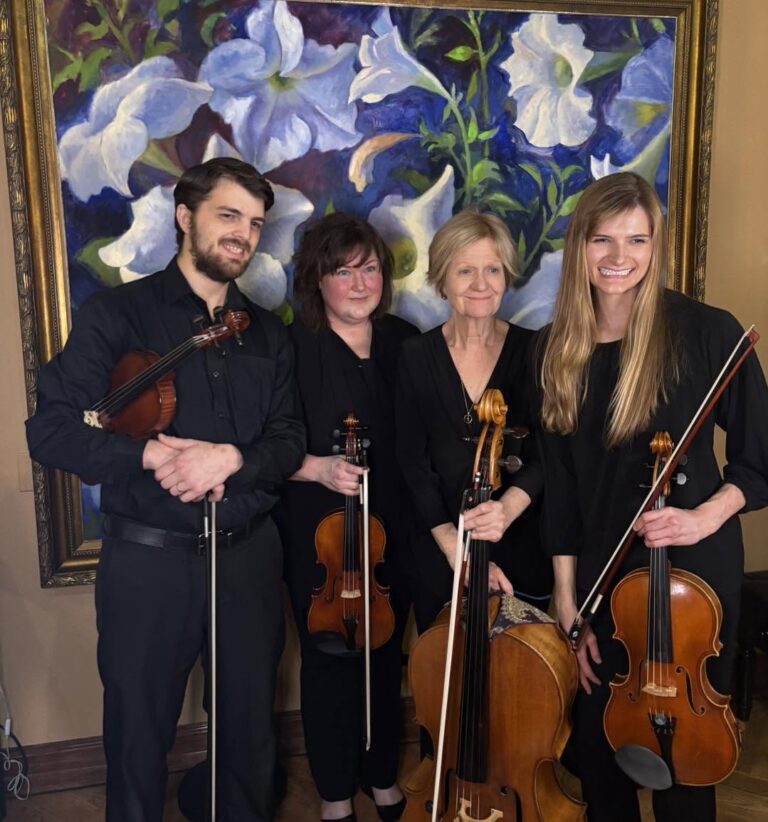
The strings are the heart of the orchestra and usually make up the largest section.
Instruments include:
- Violin
- Viola
- Cello
- Double Bass
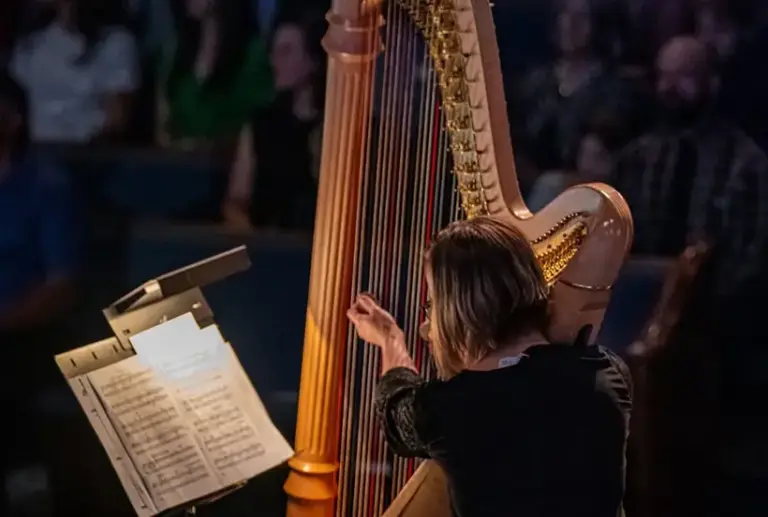
- Harp (featured in many works)
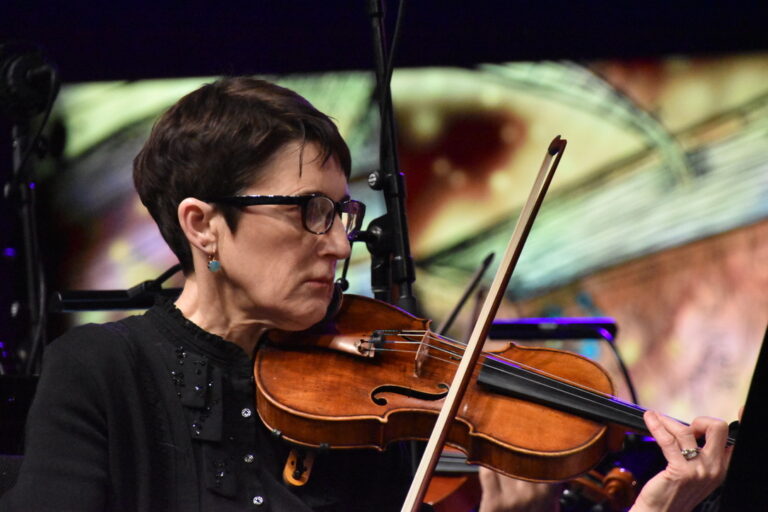
String instruments produce sound when their strings vibrate, typically with a bow, though musicians also pluck the strings in a technique called pizzicato.
Their sound can be warm and lyrical, bright and energetic, or deep and dramatic. From soaring melodies to quiet emotional moments, strings often carry the musical story.
The Woodwind Family
Woodwinds bring color, character, and personality to the orchestra.
Instruments include:
- Flute
- Piccolo
- Oboe
- English Horn
- Clarinet
- Bass Clarinet
- Bassoon
- Contrabassoon
Some woodwinds use reeds, while others, like the flute, create sound by directing air across an opening.
These instruments can imitate birdsong, laughter, whispers, or even melancholy. Their distinctive voices often introduce memorable melodies and add beautiful contrasts throughout a performance.
The Brass Family
If you’ve ever felt the orchestra shake the concert hall with a triumphant fanfare, you’ve probably been listening to the brass section.
Instruments include:
- Trumpet
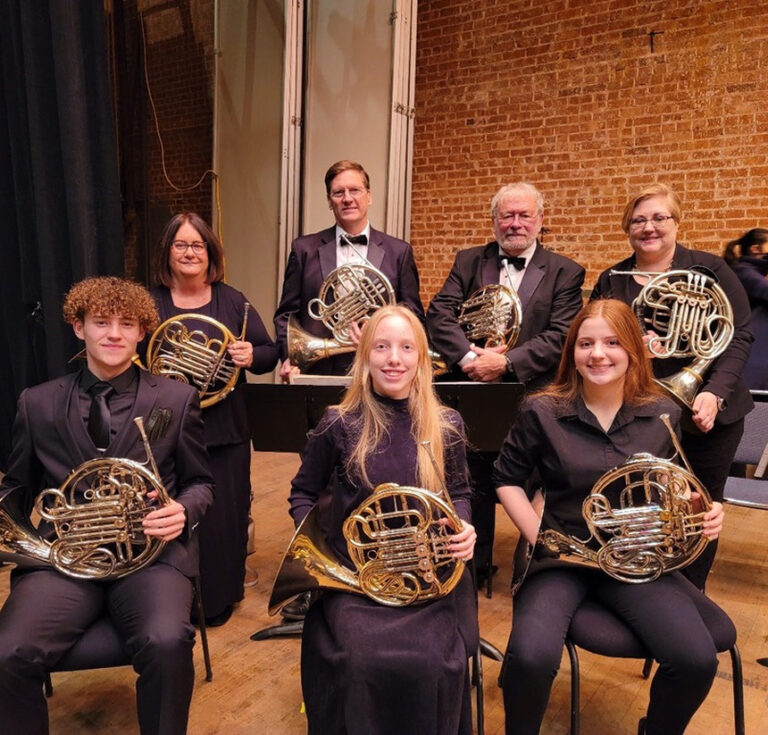
- French Horn
- Trombone
- Tuba
Brass instruments create sound through the vibration of the player’s lips inside a mouthpiece.
While brass is famous for bold, heroic moments, it can also produce surprisingly gentle and expressive music. The French horn, in particular, is known for its warm, noble tone.
The Percussion Family
Percussion keeps rhythm, adds excitement, and creates some of the orchestra’s most dramatic moments.
Instruments may include:
- Timpani
- Snare Drum
- Bass Drum
- Cymbals
- Triangle
- Tambourine
- Xylophone
- Glockenspiel
- Chimes
- Marimba
- Vibraphone
Unlike the other families, percussion includes instruments that are struck, shaken, scraped, or otherwise set into motion. Percussionists often perform on multiple instruments during a single concert, making them some of the orchestra’s most versatile musicians.
More Than Four Families
Many orchestral works also feature instruments outside these core groups, including:
- Piano
- Organ
- Harp
- Celesta
- Choir or vocal soloists
Modern orchestras also perform film scores, contemporary works, and crossover concerts that may include guitars, synthesizers, or other instruments alongside the traditional orchestra.
Why Learning the Instrument Families Makes Concerts More Enjoyable
Knowing where each instrument sits and how it contributes transforms the concert experience. You begin to notice conversations between the strings and woodwinds, the power of the brass during climactic moments, and the subtle textures percussion adds throughout the music.
Before long, you’ll recognize the haunting sound of an oboe, the brilliance of a trumpet, or the rich warmth of a cello without ever looking at the stage.
That’s part of the joy of live orchestral music. Every concert reveals something new.
The Wichita Falls Symphony Orchestra invites audiences of all ages to experience these remarkable instruments performing together. Whether you’re a lifelong classical music fan or attending your very first concert, every performance offers an opportunity to discover the artistry, collaboration, and beauty that only a live orchestra can create.
Explore the season, attend a performance, and meet the orchestra in person. Your favorite instrument may be waiting for you.