Every child is born curious.
Some are captivated by books. Others by nature, sports, or building things. For many children, music becomes the language that helps them express what words cannot.
The good news is that you don’t have to be a musician to nurture a child’s love of music. What matters most is creating opportunities to explore, listen, and enjoy.
Start by Listening Together
One of the easiest ways to encourage musical curiosity is simply to listen.
Play a variety of music at home:
- Classical
- Jazz
- Folk
- Movie soundtracks
- Musical theater
- Music from different cultures
Ask simple questions:
- What instruments do you hear?
- How does this music make you feel?
- Does it remind you of a story or a place?
There are no wrong answers. The goal is to help children become active listeners.
Let Curiosity Lead
Children often gravitate toward an instrument because of its sound or appearance.
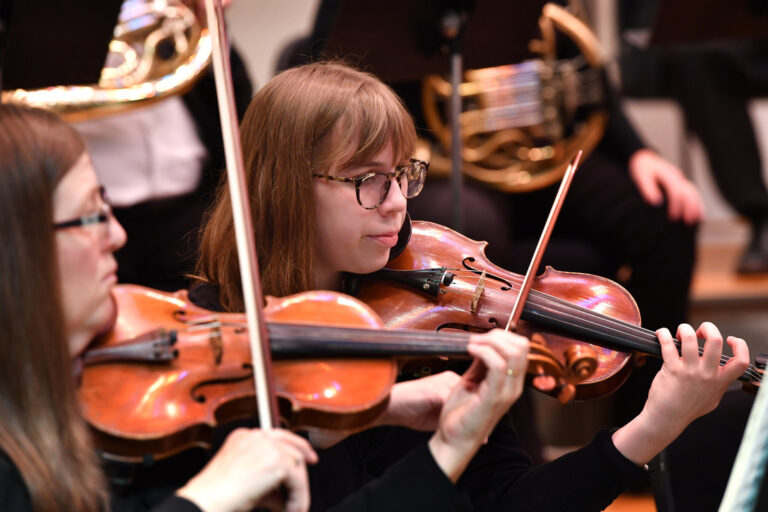
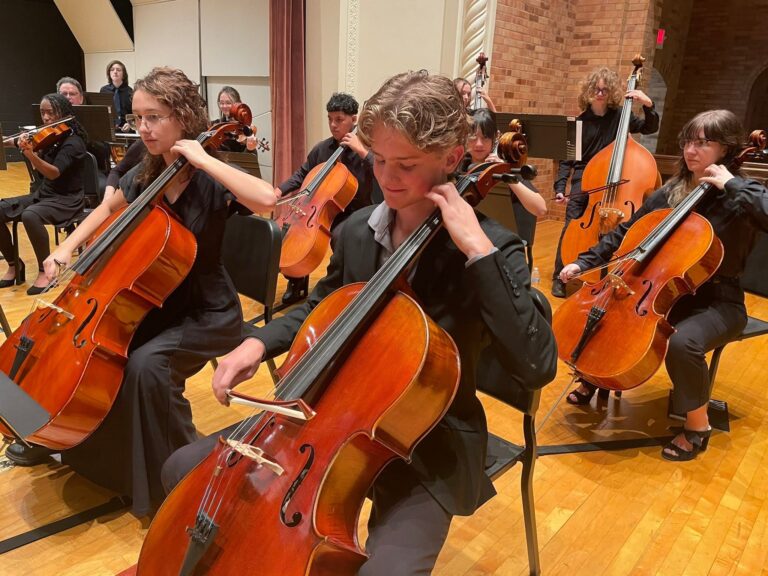
Some are drawn to the soaring melody of the violin. Others love the powerful sound of the trumpet or the deep voice of the cello.
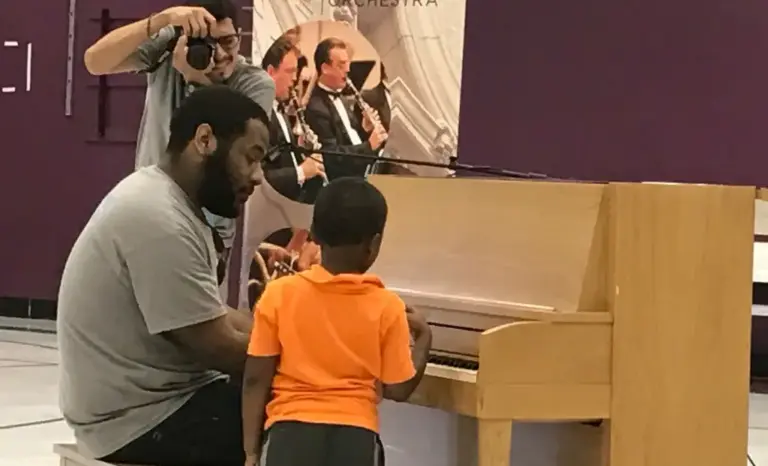
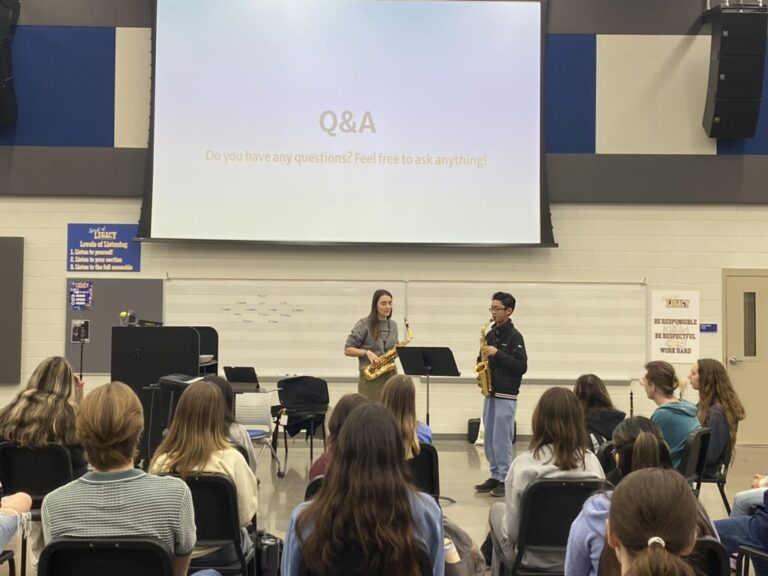
If your child shows interest, encourage them to explore. Attend instrument demonstrations, watch performances, or visit a music store where they can see different instruments up close.
Sometimes all it takes is hearing one instrument played live.
Make Music Part of Everyday Life
Music doesn’t have to be reserved for concerts or lessons.
Sing together while cooking dinner.
Dance in the living room.
Create rhythms by clapping or tapping on the table.
Celebrate birthdays, holidays, and family traditions with songs.
When music becomes part of everyday life, children begin to see it as something they can participate in, not simply observe.
Attend Live Performances
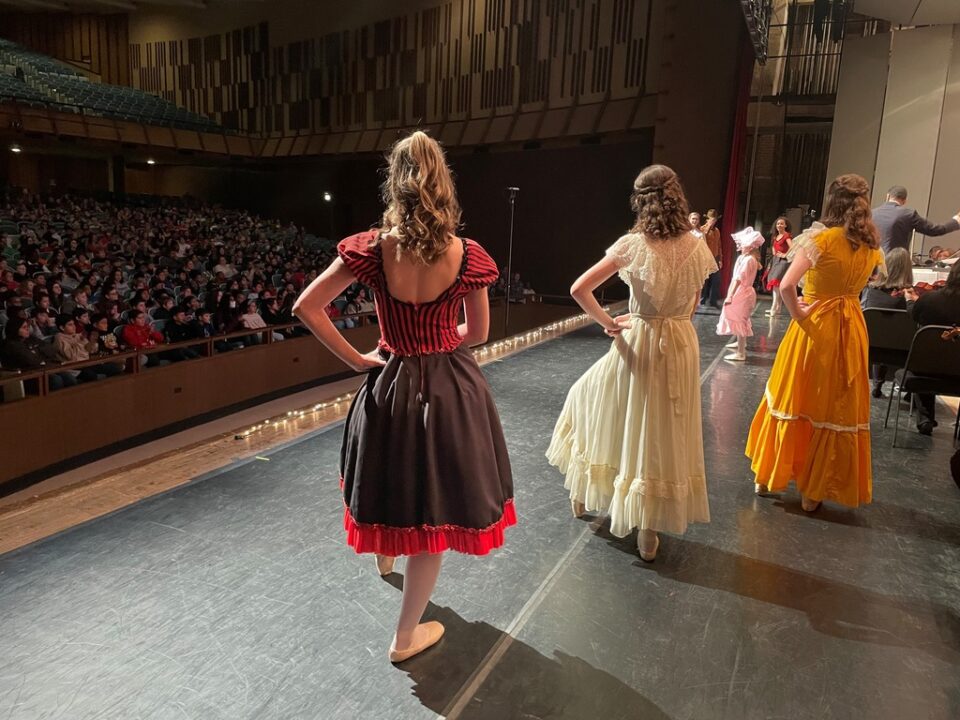
Recordings are wonderful, but live music creates a different kind of connection.
Watching musicians perform together helps children understand that music is something people create in real time through practice, teamwork, and creativity.
Many families are surprised by how engaged children become during a live orchestra concert as they watch dozens of instruments working together.
Encourage Practice Without Pressure
Learning an instrument takes time.
There will be days when practice feels exciting and days when it feels challenging.
Celebrate progress instead of perfection.
A child who enjoys making music is more likely to continue than one who feels every practice session is a test.
Consistency matters far more than perfection.
Explore School Music Programs
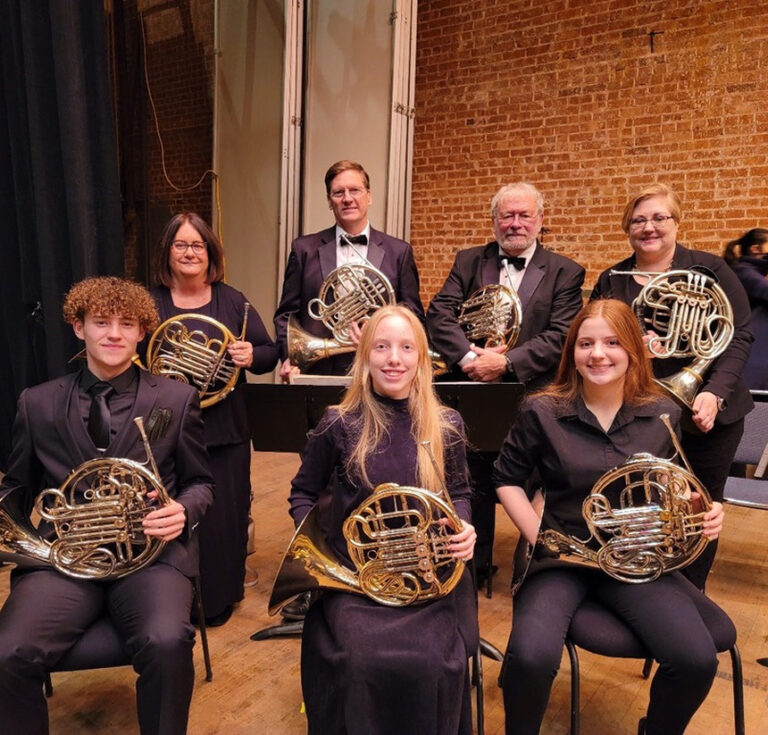
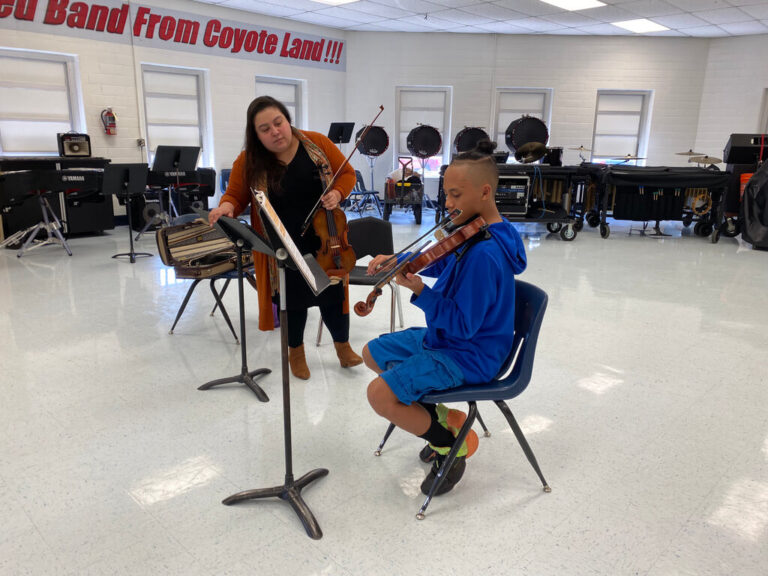
School bands, orchestras, and choirs introduce students to the joy of making music with others.
Children learn that every instrument has an important role. They also develop friendships, teamwork, and confidence through shared performances.
For many students, joining an ensemble becomes one of the most memorable parts of their school experience.
Follow Their Interests
Not every child will want to play the violin.
Some may fall in love with percussion. Others may enjoy singing, composing music on a computer, or learning guitar or piano.
The goal isn’t to choose the “right” instrument. It’s to help your child discover the kind of music that inspires them.
Interest is a much stronger motivator than expectation.
Be a Supportive Audience
One of the greatest gifts a parent can give is simply showing up.
Attend the school concert.
Listen to the practice recital.
Celebrate the small milestones.
Children often remember who was in the audience long after they’ve forgotten which notes they played.
A Lifelong Gift
Very few children who study music become professional musicians.
That isn’t the point.
Music teaches patience, discipline, creativity, collaboration, and the confidence to keep improving. It also provides something increasingly rare in today’s busy world: the chance to slow down, listen carefully, and create something beautiful.
The Wichita Falls Symphony Orchestra believes every child deserves the opportunity to experience the joy of music. Whether it’s attending a Young People’s Concert, joining a school ensemble, or hearing a live orchestra for the very first time, those moments have a way of staying with us long after the final note fades.
Sometimes the greatest gift we can give a child isn’t an instrument. It’s the opportunity to discover what music means to them.