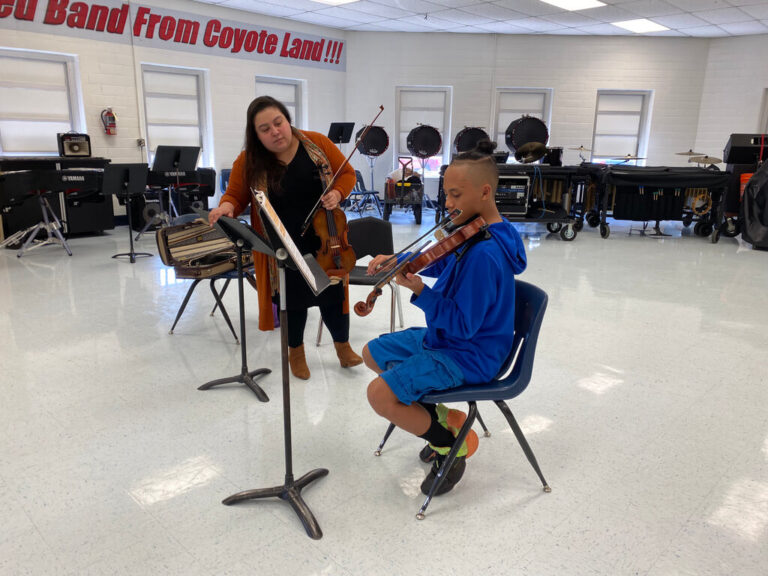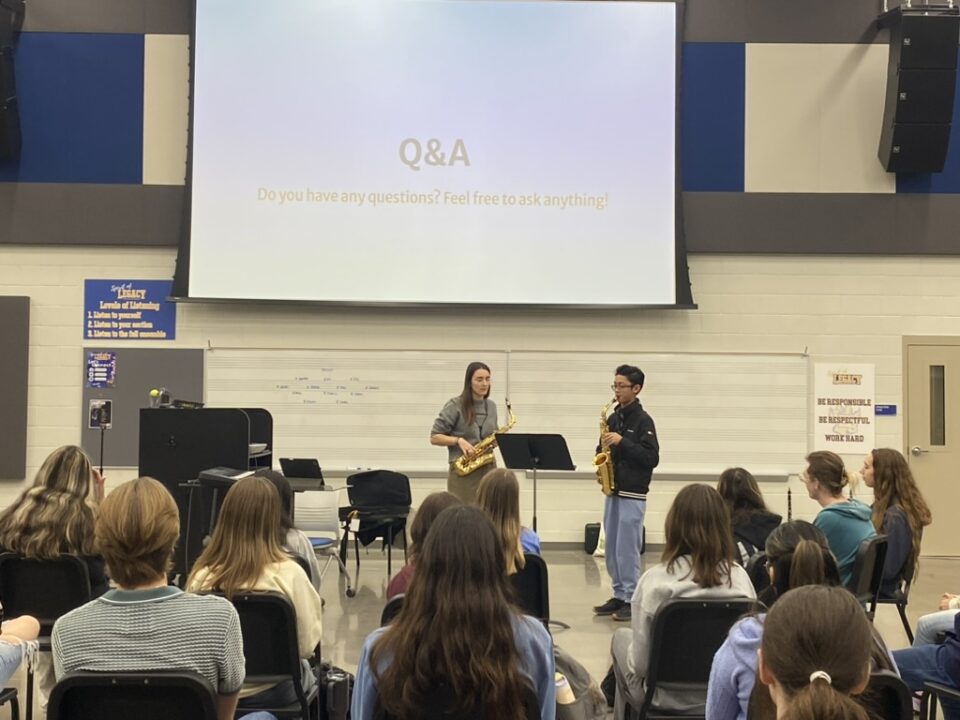
Parents often wonder whether learning an instrument helps children succeed in school.
The answer is encouraging, but it’s also important to understand what the research actually says.
Music lessons are not a shortcut to better grades. They don’t magically make someone smarter. What they do provide is consistent practice in skills that support learning across many areas of life.
Building Strong Learning Habits
Learning an instrument requires children to:
- Focus on one task at a time.
- Practice consistently over weeks and months.
- Break large goals into smaller steps.
- Learn from mistakes and keep improving.
- Work independently while also collaborating with others.
These are the same habits that contribute to success in classrooms, careers, and everyday life.
What the Research Shows
Researchers have found that music education is associated with positive outcomes in several areas, including:
- Improved attention and concentration.
- Stronger listening skills.
- Better memory for auditory information.
- Enhanced fine motor coordination.
- Greater self-discipline and persistence.
- Increased teamwork and cooperation through ensemble performance.
Some studies have also found relationships between sustained music education and academic achievement, though researchers caution that many factors influence student success, including family support, access to educational opportunities, and socioeconomic circumstances.
In other words, music is one valuable piece of a much larger picture.
Learning Through Mistakes
Music offers something that many school subjects don’t.
Mistakes are expected.
Every musician misses notes. Every ensemble has rehearsals that don’t go as planned. Progress comes from identifying what needs improvement, practicing intentionally, and trying again.
That mindset helps students become more resilient learners, both inside and outside the classroom.
Confidence That Grows Over Time
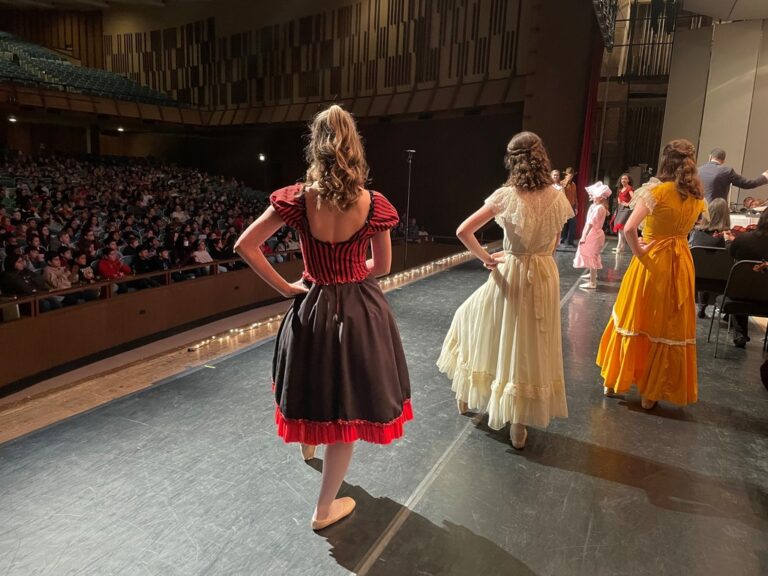
Performing in front of an audience teaches lessons that can’t always be learned from a textbook.
Students gradually develop confidence by preparing, managing nervousness, and sharing something they’ve worked hard to achieve.
Whether it’s a school recital or a full orchestra concert, each performance becomes an opportunity to grow.
Teamwork in Action
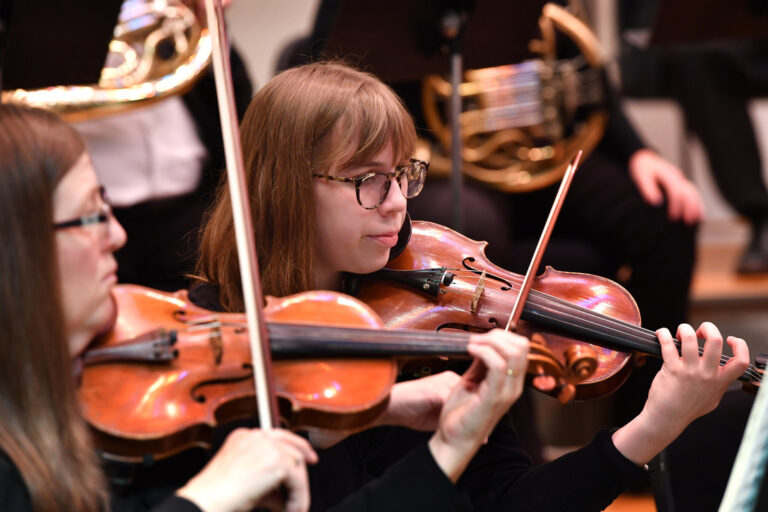
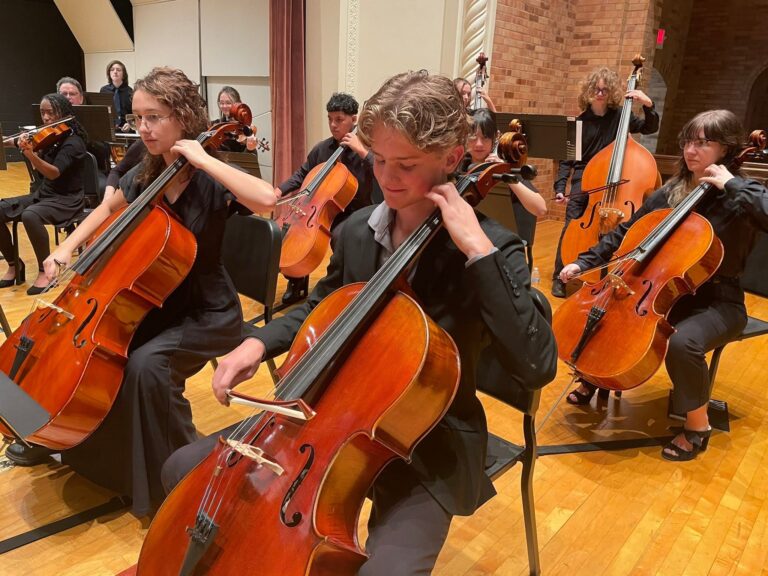
An orchestra is one of the best examples of collaboration.
Musicians learn to:
- Listen carefully to others.
- Follow a shared goal.
- Balance leadership with cooperation.
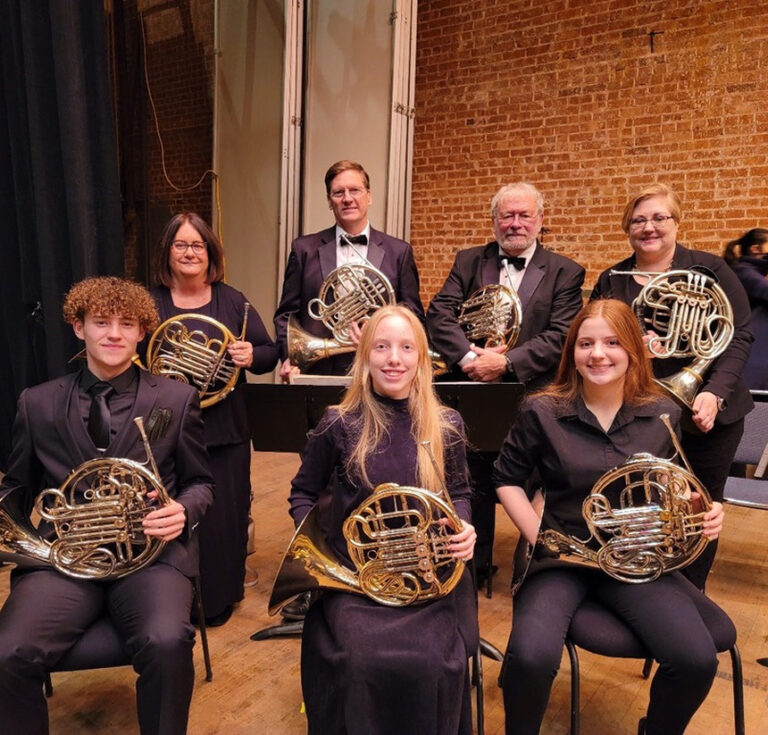
- Respect the contributions of every section.
- Understand that individual excellence is strongest when it serves the whole group.
These are skills that carry into classrooms, workplaces, and communities.
A Lifelong Appreciation
Not every child who studies music will become a professional musician.
Many won’t.
But they’ll carry with them an appreciation for creativity, discipline, and lifelong learning. They’ll know how to listen more carefully, work with others, and find joy in creating something beautiful.
Those lessons don’t end when the last concert is over.
Supporting the Next Generation
Whether a child dreams of performing on stage or simply enjoys making music after school, music education offers opportunities to grow as both a student and a person.
The Wichita Falls Symphony Orchestra is proud to support music education and inspire young musicians throughout Texoma. Through live performances and educational programs, we hope every child has the chance to discover not only the beauty of music, but also the confidence and curiosity it can help cultivate.
Learn More
If you’re interested in the research behind music education, these organizations provide excellent, evidence-based resources:
- National Association for Music Education (NAfME): https://nafme.org
- Arts Education Partnership: https://www.aep-arts.org
- National Endowment for the Arts: https://www.arts.gov
- National Institutes of Health, Sound Health Initiative: https://www.nih.gov