One of the most common questions parents ask is, “When is the right time for my child to start learning an instrument?”
The answer depends on your child’s interests, attention span, and physical development. There isn’t one perfect age, but there are wonderful opportunities at every stage of childhood.
Ages 3 to 5: Discover the Joy of Music
Young children are naturally musical. Singing songs, clapping rhythms, dancing, and experimenting with simple percussion instruments help develop listening skills, coordination, and a lifelong appreciation for music.
At this age, the goal isn’t mastery. It’s curiosity.
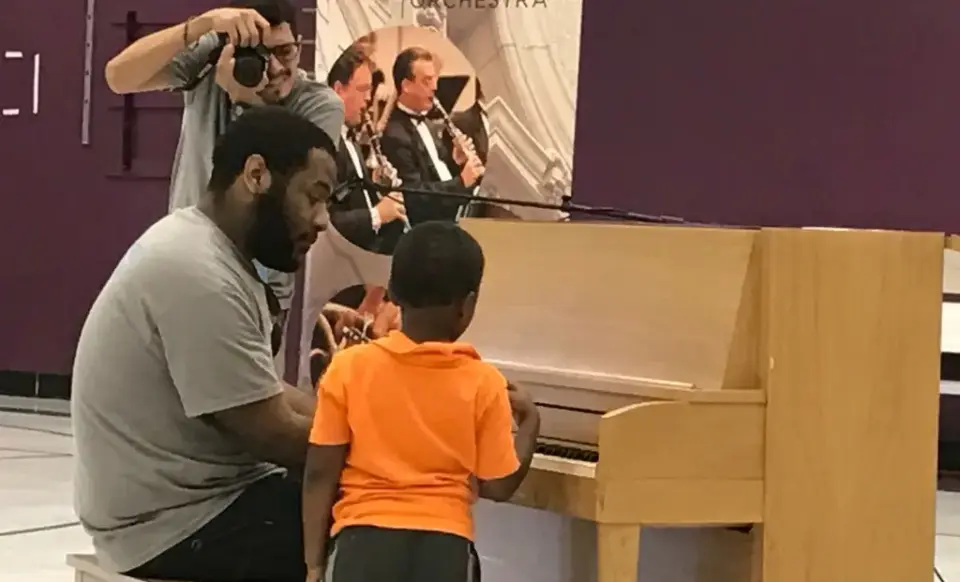
Many children also begin introductory piano or violin programs during these years if they show interest and are ready for structured lessons.
Ages 6 to 8: A Great Time to Begin
For many children, elementary school is an ideal time to begin formal music lessons.
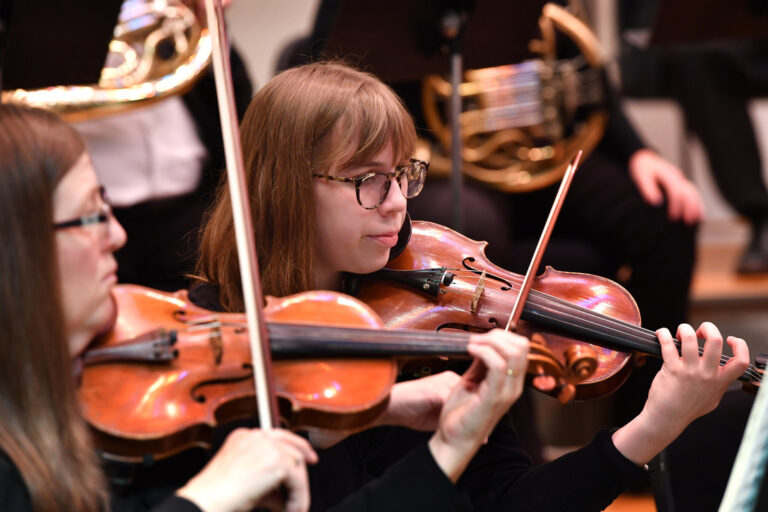
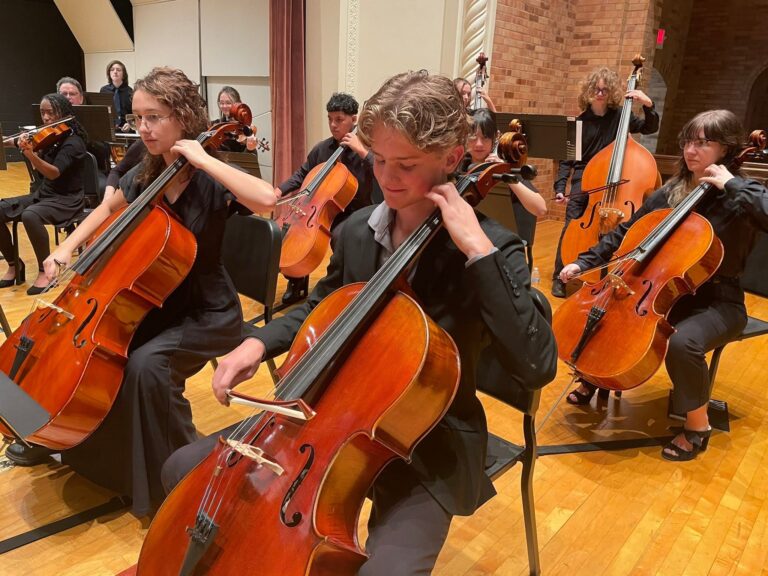
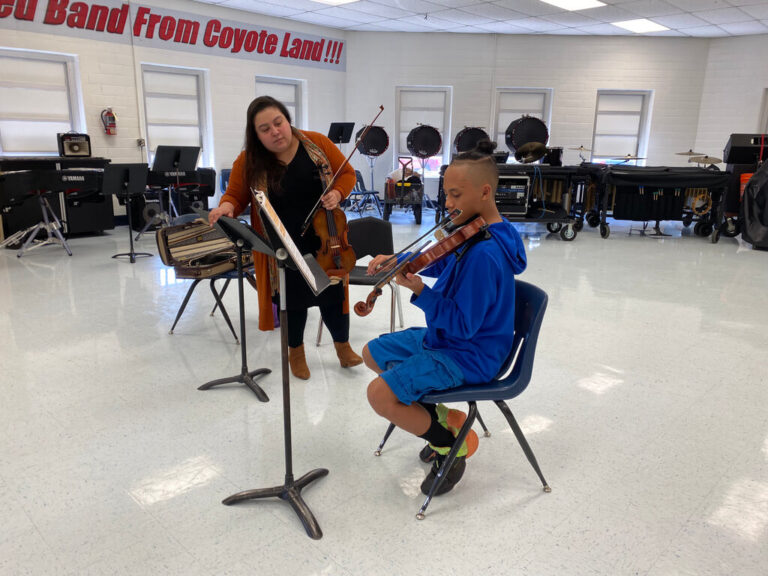
Piano is often recommended because it teaches melody, rhythm, harmony, and music reading all at once. Violin is another popular choice for younger students, while instruments like cello can also be excellent options with appropriately sized instruments.
Children at this age are developing the focus and fine motor skills needed to practice consistently while still viewing music as play.
Ages 9 to 12: Expanding Possibilities
By upper elementary and middle school, children can comfortably choose from nearly every instrument family.
They may be ready to explore:
- Flute
- Clarinet
- Oboe
- Bassoon
- Trumpet
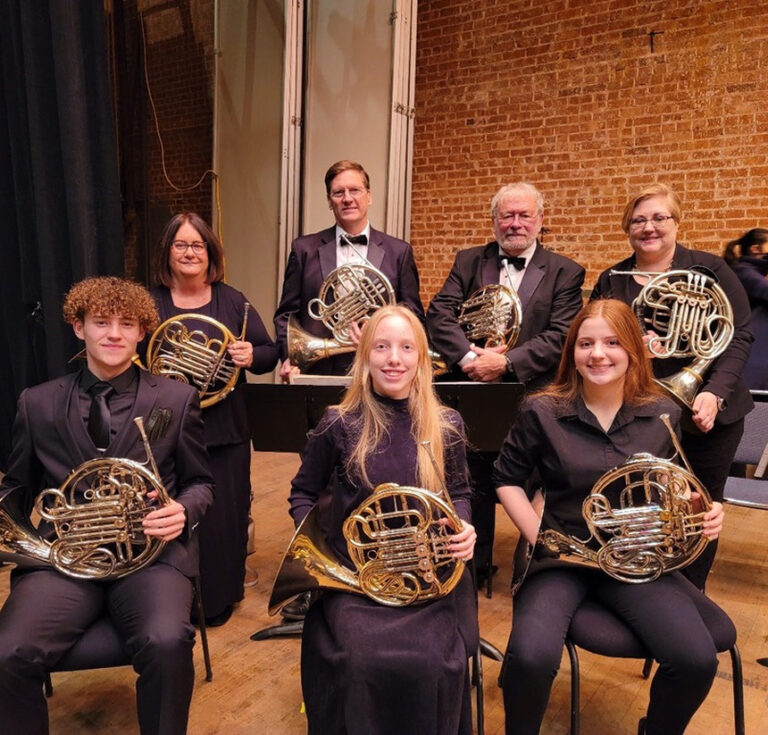
- French Horn
- Trombone
- Tuba
- Percussion
- Viola
- Cello
- Double Bass
Many students begin participating in school band or orchestra during these years, discovering the joy of making music with others.
Is It Ever Too Late?
Not at all.
Teenagers and adults successfully learn instruments every year. While younger children often absorb new physical skills more quickly, older beginners usually bring greater patience, motivation, and discipline.
The best age to start is simply the age when someone is excited to learn.
Choosing the Right Instrument
Every child is different. Some are drawn to the bright sound of the trumpet. Others love the expressive voice of the violin or the deep resonance of the cello.
When choosing an instrument, consider:
- Your child’s musical interests
- Physical size and hand strength
- Attention span
- Availability of school music programs
- Opportunities to hear instruments performed live
Whenever possible, let your child see and hear different instruments before making a decision. A live orchestra concert can introduce them to sounds they may never have experienced before.
The Benefits Last a Lifetime
Learning an instrument is about much more than playing notes.
Research has found that music education can support listening skills, memory, discipline, teamwork, creativity, and perseverance. It also gives children an expressive outlet that can build confidence and foster meaningful friendships.
Perhaps most importantly, music teaches that progress comes through patience. Every accomplished musician was once a beginner learning their very first note.
The Wichita Falls Symphony Orchestra is proud to inspire the next generation of musicians and music lovers through performances and educational programs. Whether your child dreams of playing in an orchestra one day or simply wants to experience the joy of live music, every musical journey begins with a single note.
Join us this season and discover how music can become part of your family’s story.