When children imagine a career in music, they often picture themselves standing on stage with a violin, trumpet, or microphone in hand. While performing is one exciting path, it’s only one of many careers that help bring music to life.
Behind every concert is a team of talented professionals whose work makes the performance possible.
Whether your child dreams of becoming a musician or simply loves music, there are countless ways to build a meaningful career in the arts.
Professional Musician
This is the career most people recognize.
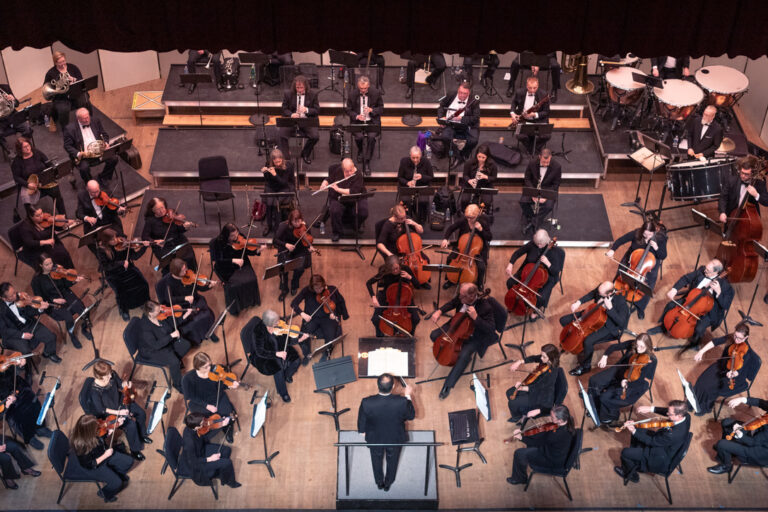
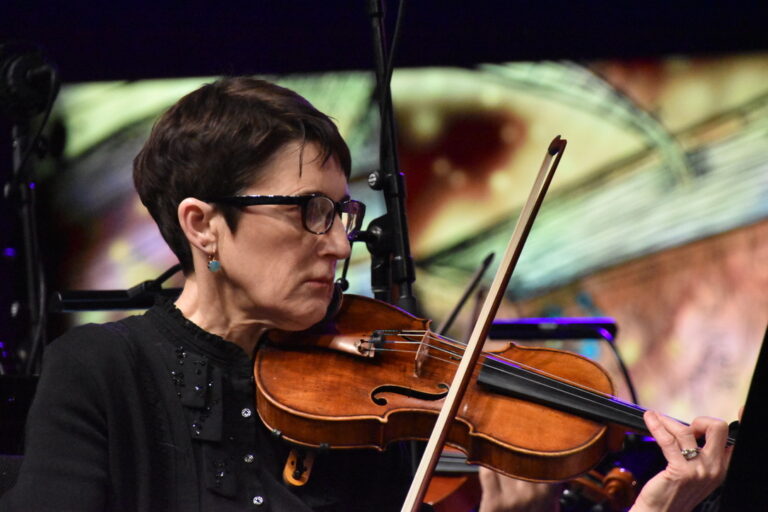
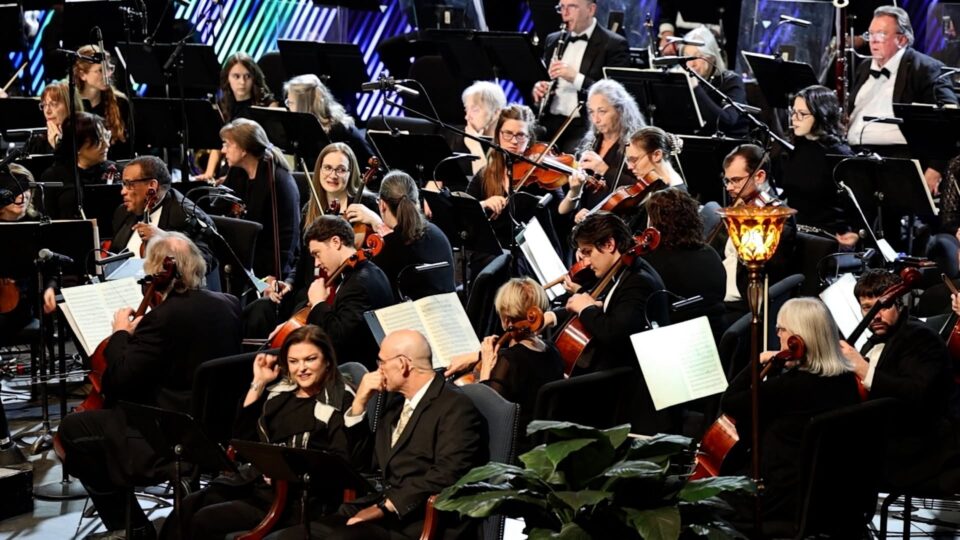
Professional musicians perform with symphony orchestras, military bands, chamber ensembles, opera companies, recording studios, film orchestras, cruise lines, and touring productions. Many also teach private lessons or perform with multiple organizations throughout the year.
Success requires years of practice, discipline, and a lifelong commitment to learning.
Music Educator
Music teachers inspire the next generation of musicians.
They teach in elementary, middle, and high schools, colleges, universities, community music programs, and private studios. Many educators are also active performers, conductors, or composers.
For many students, a passionate music teacher is the reason they fall in love with music in the first place.
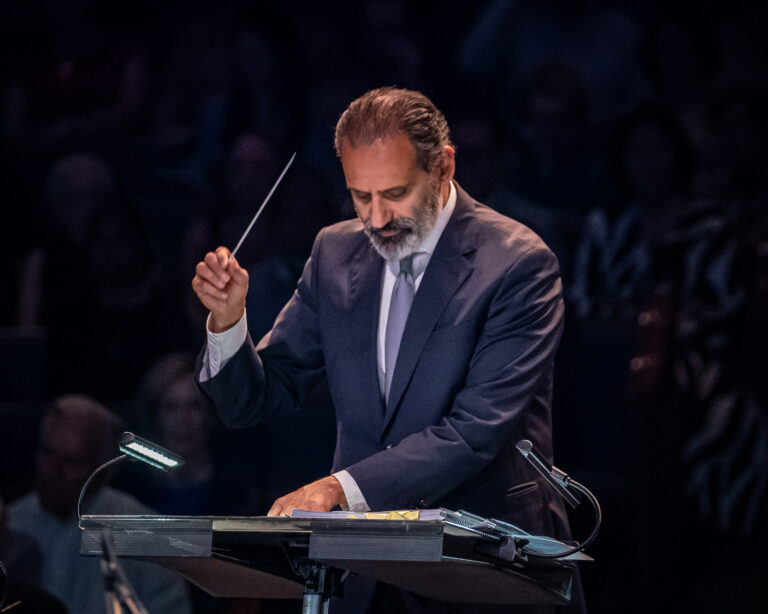
Conductor
Conductors do far more than lead performances.
They study musical scores, rehearse ensembles, interpret a composer’s intentions, and guide musicians toward a shared artistic vision. Conductors work with orchestras, bands, choirs, youth ensembles, and community organizations around the world.
Composer and Arranger
Some musicians create entirely new works, while others adapt existing music for different ensembles.
Composers write concert music, film scores, video game soundtracks, television themes, musicals, and commercial music. Arrangers reshape music so it can be performed by school bands, orchestras, jazz ensembles, or chamber groups.
Music Therapist
Music therapy combines healthcare and music to improve physical, emotional, and cognitive well-being.
Board-certified music therapists work with children, veterans, older adults, individuals recovering from injury, and people living with a variety of medical or developmental conditions.
Music becomes a tool for healing, communication, and connection.
Instrument Maker and Repair Technician
Every instrument needs skilled craftspeople.
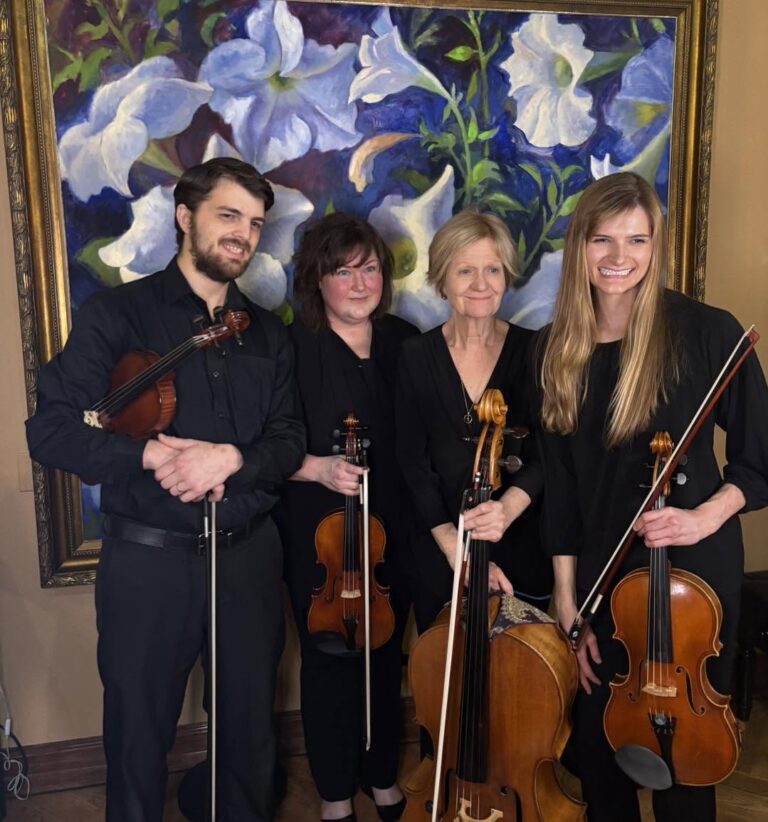
Luthiers build and restore violins, violas, cellos, and basses. Technicians repair brass, woodwind, percussion, and keyboard instruments, ensuring musicians can perform at their best.
These careers blend artistry with engineering and craftsmanship.
Audio Engineer
Concerts, recordings, podcasts, films, and livestreams all depend on audio professionals.
Sound engineers capture performances, mix recordings, manage microphones, and help audiences hear every note as the artists intended.
Technology and music increasingly work hand in hand.
Arts Administration
Not every music career happens on stage.
Arts administrators manage nonprofit organizations, coordinate concerts, develop educational programs, secure sponsorships, market performances, write grants, oversee finances, and build relationships within the community.
Without them, many orchestras simply couldn’t exist.
Music Librarian
Every orchestra relies on an extensive library of sheet music.
Music librarians prepare scores, organize performance materials, mark edits, and ensure every musician has the correct music before rehearsals begin.
It’s a detail-oriented role that’s essential to every successful performance.
Marketing and Communications
Today’s arts organizations rely on storytellers.
Writers, photographers, videographers, graphic designers, social media managers, web developers, and public relations professionals help connect audiences with live performances and educational programs.
Their work ensures music reaches people long before the first note is played.
The Skills That Last a Lifetime
Even if a student doesn’t pursue a career in music, learning an instrument develops skills that are valuable in almost every profession.
Musicians learn perseverance, collaboration, creative problem solving, time management, communication, and the confidence to perform under pressure. Those abilities translate into careers in business, healthcare, education, engineering, technology, and countless other fields.
Music isn’t simply preparing students to become musicians. It’s preparing them to become capable, thoughtful, and resilient people.
The Wichita Falls Symphony Orchestra celebrates everyone who contributes to the arts, from performers and conductors to educators, volunteers, technicians, and administrators. Every concert is the result of many people working together to create something larger than themselves.
For young people exploring their future, music offers more possibilities than they may have ever imagined.