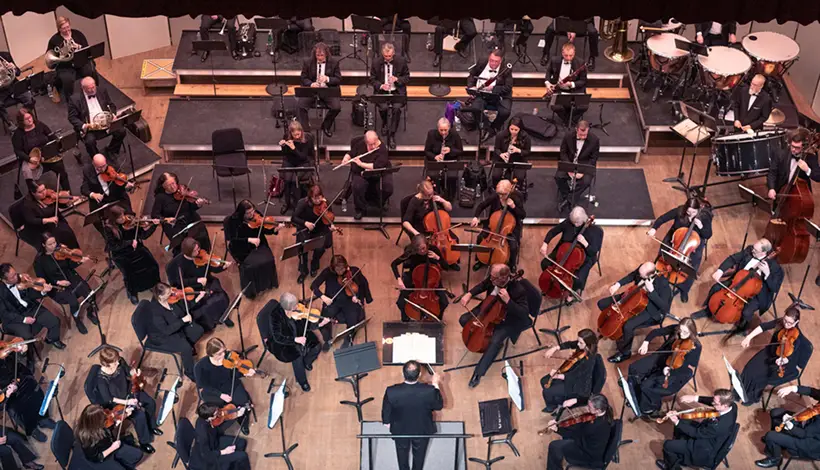
When audiences attend a symphony concert, everything often appears effortless.
The musicians begin together, every entrance is perfectly timed, and dozens of individual parts blend into a single, unified performance.
What many people don’t see is the work that happens long before concert night.
A symphony orchestra doesn’t simply gather, sit down, and perform. Every concert is the result of careful preparation, collaboration, and hours of rehearsal.
It Starts with the Music
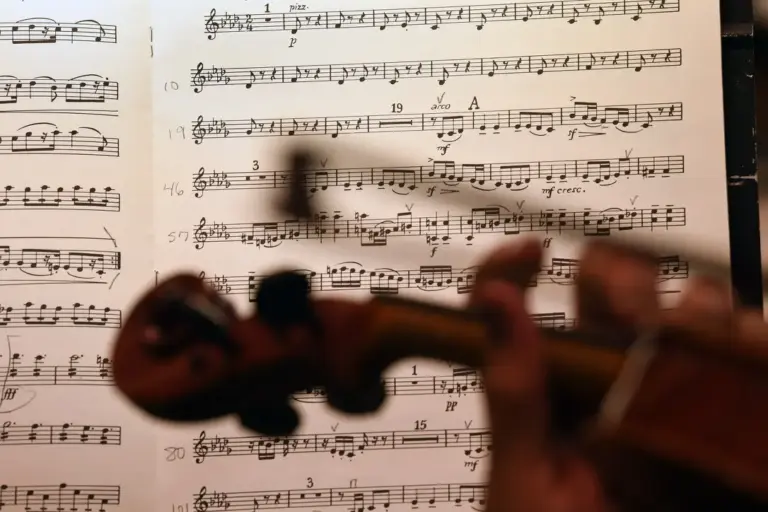
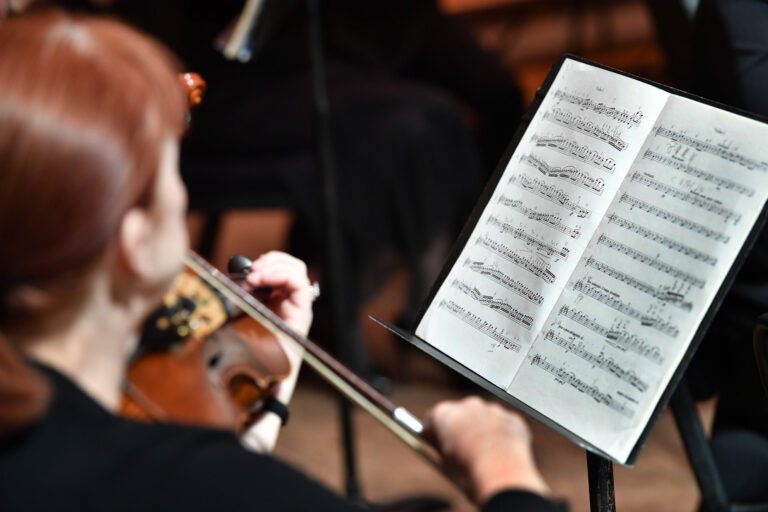
Long before the first rehearsal, each musician receives their music and begins preparing independently.
Professional musicians spend time studying rhythms, learning difficult passages, practicing technical challenges, and becoming familiar with the composer’s intentions.
When rehearsals begin, everyone arrives having already done much of their individual work.
The First Read Through
One of the first rehearsals is often a chance to hear the entire piece together.
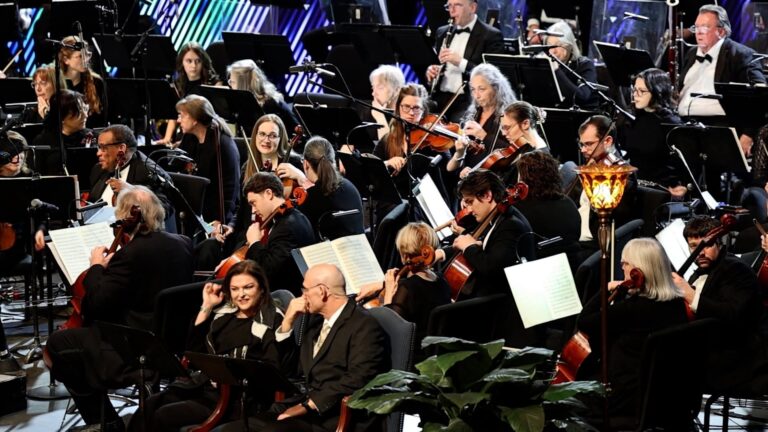
For many works, it’s the first time dozens of musicians have played the music as a complete orchestra.
The conductor listens carefully, identifying areas that need attention while beginning to shape the interpretation of the performance.
Solving Musical Puzzles
Rehearsals aren’t simply about playing the music from beginning to end.
They’re about refining it.
The conductor may stop after only a few measures to adjust the balance between sections, clarify a rhythm, or ask for a different musical character.
Perhaps the strings need to play more softly so the woodwinds can be heard.
Maybe the brass should save their biggest sound for a later climax.
Sometimes an entire discussion centers on just a few seconds of music.
Listening as Much as Playing
One of the most important skills musicians develop is listening.
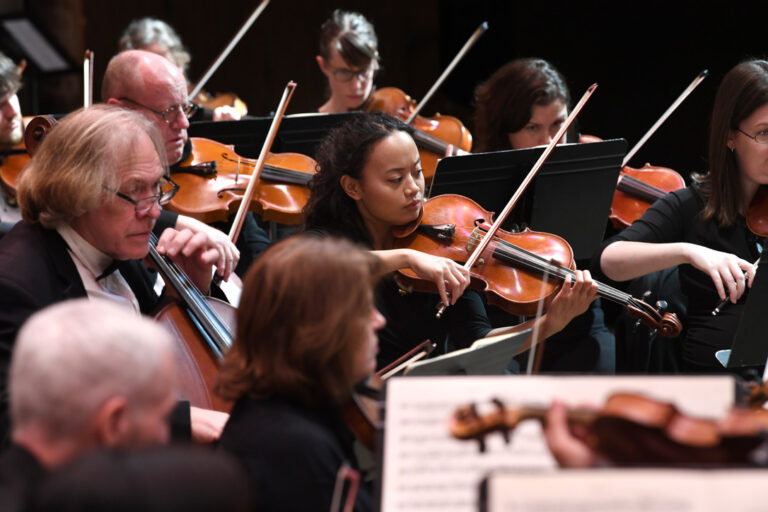
Every player must hear not only their own part but also the musicians around them.
A violinist may be matching the phrasing of the flutes.
The percussion section might wait for a subtle cue from the conductor before entering.
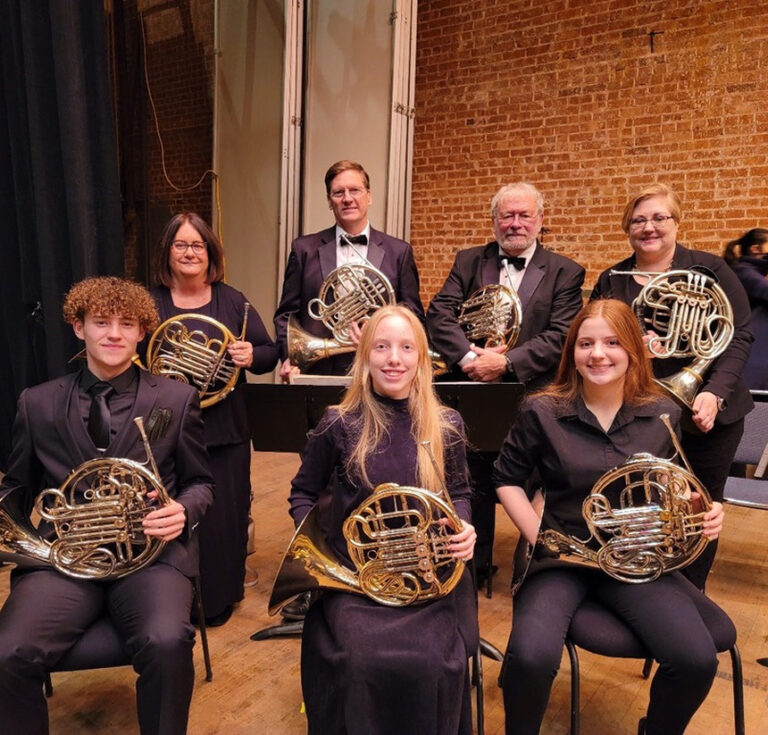
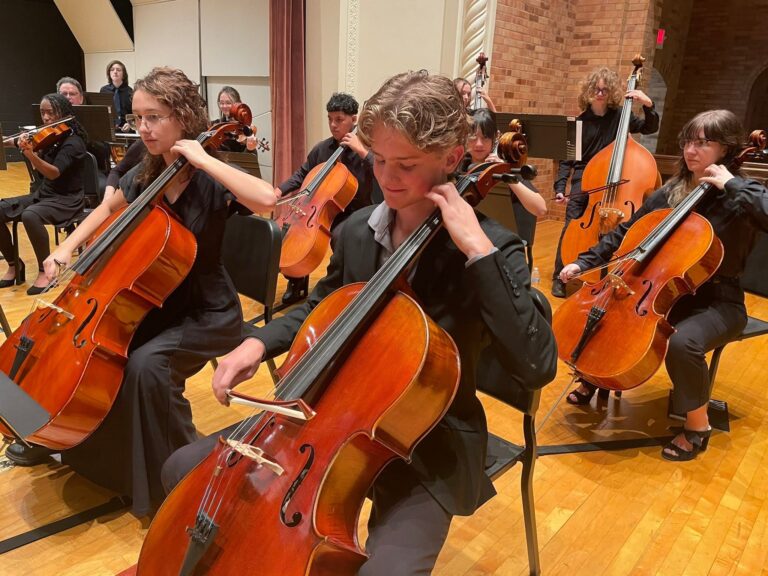
The horns may adjust their sound to blend with the cellos.
An orchestra succeeds because every musician is constantly listening and adapting.
More Than Technical Accuracy
Playing the correct notes is only the beginning.
Rehearsals also explore questions like:
- Should this melody feel joyful or reflective?
- How quietly can this passage be played while remaining clear?
- Where should the music build excitement?
- How can one section answer another as though they’re having a conversation?
These artistic decisions transform notes on a page into a meaningful performance.
Dress Rehearsal
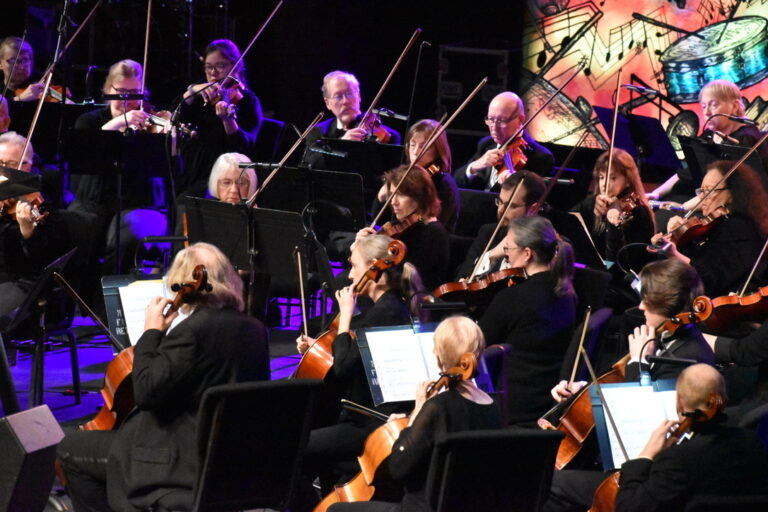
The final rehearsal before a concert is often called the dress rehearsal.
Despite the name, musicians don’t always wear formal concert attire.
Instead, it’s an opportunity to perform the entire program with as few interruptions as possible, allowing everyone to experience the flow of the concert before the audience arrives.
If there are guest artists, narration, lighting changes, or other production elements, they’re typically incorporated during this rehearsal.
Every Performance Is Different
Even after several rehearsals, no two concerts are exactly alike.
The energy of the audience, the acoustics of the hall, and the interaction between conductor and musicians all influence the performance.
That’s one of the reasons live orchestral music remains so compelling.
The music is alive, unfolding in real time, and can never be recreated exactly the same way again.
A Shared Commitment
An orchestra rehearsal is a remarkable example of teamwork.
Dozens of highly skilled musicians come together, each contributing their expertise while working toward a shared artistic vision. There are moments of concentration, moments of laughter, and moments when everything suddenly clicks into place.
By the time the audience hears the opening notes, countless hours of preparation have already happened behind the scenes.
The Wichita Falls Symphony Orchestra is proud to bring that dedication to every performance. Each concert reflects not only the talent of its musicians, but also their shared commitment to creating an unforgettable experience for the community.
When the applause begins, it celebrates more than a single evening. It celebrates the preparation, collaboration, and artistry that made that evening possible.